
Yellow-eyed Black-Flycatcher
Melaenornis ardesiacus
Order: Passeriformes / Family: Muscicapidae

Wikimedia Commons
About the Yellow-eyed Black-Flycatcher
The Yellow-eyed Black-Flycatcher (Melaenornis ardesiacus) is a striking bird, endemic to the montane forests of East Africa. This species holds a vital niche in its ecosystem, particularly within the high-altitude regions of Uganda, Rwanda, and the Democratic Republic of the Congo. Found primarily in montane and moist evergreen forests, the Yellow-eyed Black-Flycatcher prefers elevations ranging from 1,800 to 3,000 meters. Its role as an insectivore makes it crucial for controlling insect populations, a service that maintains the health of its forest habitat. During the breeding season, which coincides with the onset of the rainy season, these birds become more vocal and territorial, advertising their presence with distinctive calls. As an insectivore, it actively participates in the ecological balance, preying on a variety of insects that could otherwise reach pest levels. The Yellow-eyed Black-Flycatcher is significant not only for its ecological contributions but also as a subject of ornithological study due to its limited range, which provides insights into the biodiversity and conservation needs of East African montane ecosystems. The bird's presence in these forests is a testament to the rich biodiversity of the region. Though it thrives in remote altitudes, its survival is intricately linked to the health of the montane forest ecosystems, making it a key indicator species. The persistence of the Yellow-eyed Black-Flycatcher in its natural habitat underscores the importance of conserving these unique ecological environments. As climate change and deforestation threaten these habitats, the conservation of this species becomes increasingly urgent. Efforts to protect its habitat, through both local and international conservation programs, are critical to maintaining the ecological integrity of the region. The Yellow-eyed Black-Flycatcher thus serves as both a symbol and a participant in the complex web of life that characterizes East Africa's montane forests.
The Yellow-eyed Black-Flycatcher belongs to the family Muscicapidae, within the order Passeriformes. These birds typically live average 3-4 years, with limited data on maximum lifespan..
How to Identify a Yellow-eyed Black-Flycatcher
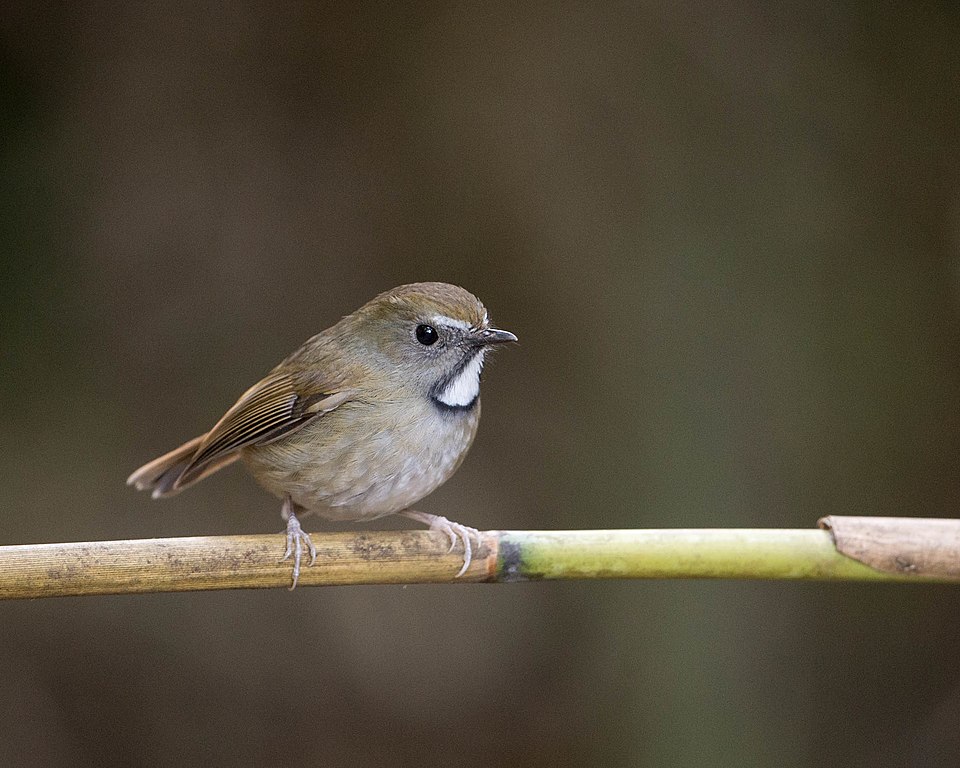
The Yellow-eyed Black-Flycatcher is a medium-sized bird, easily recognized by its bright yellow eyes which contrast sharply with its dark plumage. Adult birds exhibit a predominantly black or slate-gray plumage, lending them a sleek appearance. Juveniles, however, may display slightly duller plumage with hints of brown, helping them blend into their forested environment more effectively. Males and females are alike in plumage, making them difficult to distinguish by sight alone. However, during the breeding season, males may appear more energetic and are often seen engaging in territorial displays. This bird can be confused with other flycatchers, such as the Dusky Flycatcher, but its distinct yellow eyes and darker plumage set it apart. The flight silhouette of the Yellow-eyed Black-Flycatcher is characterized by swift, direct flight patterns, typical of many flycatchers. When perched, it maintains an upright posture, often seen flitting from branch to branch as it hunts for insects. This posture, along with its distinctive coloration, aids in its identification within its native habitat.
Having trouble telling birds apart? Upload a photo to our bird identification tool for an instant species match.
Yellow-eyed Black-Flycatcher Habitat and Range
Preferred Habitat
The Yellow-eyed Black-Flycatcher thrives in montane and moist evergreen forests, which provide abundant cover and ample food sources. These forests, found at elevations between 1,800 to 3,000 meters, offer the cool, moist conditions favored by the species. Examples of such habitats include the montane forests of the Albertine Rift, where the bird is most commonly observed. Seasonal shifts in habitat are minimal, as the bird remains tied to these high-altitude regions throughout the year. While it prefers dense forests, the Yellow-eyed Black-Flycatcher occasionally ventures into edges and clearings, especially during foraging expeditions. Urban presence is rare, as the bird's habitat requirements are closely tied to undisturbed forest environments.
Geographic Range
The breeding range of the Yellow-eyed Black-Flycatcher is confined to the montane forests of East Africa, particularly in Uganda, Rwanda, and the Democratic Republic of the Congo. These areas form part of the Albertine Rift, known for its rich biodiversity and high endemism. The bird does not engage in long-distance migration, remaining in its montane forest habitat year-round due to the consistent availability of food resources. Within its range, population density hotspots include the Bwindi Impenetrable National Park in Uganda and the Nyungwe Forest in Rwanda, where conservation efforts are actively in place to protect both the habitat and the species. The concentrated distribution within these regions highlights the bird's reliance on specific ecological conditions and underscores the importance of targeted conservation measures.
Want to know which birds visit your area? Browse our backyard birds by location guides for region-specific species lists.
What Does the Yellow-eyed Black-Flycatcher Eat?
The Yellow-eyed Black-Flycatcher primarily feeds on insects, making it an important insectivore within its montane forest ecosystem. Its diet consists largely of beetles, flies, and caterpillars, which it skillfully captures using a technique known as 'sallying.' This involves short flights from a perch to snatch airborne insects or those resting on foliage. The bird adjusts its feeding schedule to coincide with peak insect activity, often becoming most active during the cooler morning and late afternoon hours. Seasonal diet changes are minimal, as the montane forest environment provides a relatively stable supply of prey throughout the year. Prey size varies, but the bird typically targets insects ranging from small to medium sizes, ensuring it can handle them efficiently. This focus on insectivory not only benefits the bird but also plays a crucial role in controlling insect populations within its habitat.
Yellow-eyed Black-Flycatcher Behavior and Social Structure
The Yellow-eyed Black-Flycatcher exhibits a range of behaviors that reflect its adaptation to life in montane forests. It is generally solitary or seen in pairs, particularly during the breeding season when it becomes more territorial. Males engage in courtship displays that include vocalizations and flight displays to attract females and establish territory. Flocking behavior is unusual for this species, as its insectivorous diet and territorial nature favor solitary foraging. The bird's response to predators includes alarm calls and evasive flight maneuvers, which are crucial for survival in densely vegetated environments. Daily activity patterns show a preference for morning and late afternoon foraging, coinciding with peak insect activity. The Yellow-eyed Black-Flycatcher's behavior reflects its specialization as an insectivore within its specific ecological niche, balancing solitary and territorial instincts with the demands of its environment.
Yellow-eyed Black-Flycatcher Nesting and Reproduction
The Yellow-eyed Black-Flycatcher constructs cup-shaped nests, typically located in the fork of a tree or within dense vegetation to provide concealment from predators. The nest is made from a combination of moss, twigs, and leaves, which are skillfully woven together to create a secure structure. Clutch size generally ranges from two to three eggs, which are incubated by both parents for approximately 14 days. After hatching, the fledglings remain in the nest for another two weeks, during which time both parents participate in feeding and caring for the young. The species typically raises one brood per year, though in optimal conditions, a second brood may be attempted. Parental roles are shared, with both male and female contributing to nest building, incubation, and feeding duties, ensuring the survival of their offspring in the challenging montane environment.
Yellow-eyed Black-Flycatcher Sounds and Vocalizations
The primary song of the Yellow-eyed Black-Flycatcher is a series of melodious notes that vary in rhythm and pitch, creating a distinctive and pleasant soundscape in its montane forest habitat. These songs serve to establish territory and attract mates during the breeding season. Call notes consist of sharp, short whistles that are used to communicate with mates or signal alarm in the presence of predators. Alarm calls are more rapid and urgent, drawing attention to potential threats. The dawn chorus, a common phenomenon among many bird species, includes the Yellow-eyed Black-Flycatcher's contribution, adding to the rich tapestry of sounds that characterize its habitat. The bird's vocalizations, while unique, can be compared to the warbling of other flycatcher species, although its distinct pattern and tone set it apart.
Interesting Facts About the Yellow-eyed Black-Flycatcher
- 1The Yellow-eyed Black-Flycatcher is one of the few bird species with a range limited to the Albertine Rift, making it a key species for biodiversity studies.
- 2Despite its predominantly black plumage, the Yellow-eyed Black-Flycatcher is not closely related to true blackbirds but belongs to the flycatcher family.
- 3The bird's bright yellow eyes are not just for show; they enhance its ability to spot prey in the dappled light of montane forests.
- 4Its scientific name, Melaenornis ardesiacus, reflects its dark coloration, with 'Melaenornis' meaning 'black bird' in Greek.
- 5Unlike many flycatchers, the Yellow-eyed Black-Flycatcher does not migrate, remaining in its montane forest habitat year-round.
- 6The species' preference for high elevations means it often shares its habitat with other altitude-loving species like the Rwenzori Turaco.
- 7The Yellow-eyed Black-Flycatcher's song is a key tool for territory defense, often used to ward off rival males during the breeding season.
Yellow-eyed Black-Flycatcher Conservation Status
The Yellow-eyed Black-Flycatcher is currently listed as Near Threatened on the IUCN Red List due to its restricted range and the ongoing threat of habitat loss. Deforestation for agriculture and human settlement poses significant risks to its montane forest habitat. While the overall population trend is considered stable, localized declines have been noted in areas where habitat destruction is most severe. Conservation efforts include habitat protection through the establishment of national parks and reserves, such as Bwindi Impenetrable National Park, which provide sanctuary for the species. Historical population changes have been influenced by habitat loss, but targeted conservation programs aim to mitigate these impacts and promote habitat restoration. Continued monitoring and conservation action are essential to ensure the long-term survival of the Yellow-eyed Black-Flycatcher.
Other Muscicapidae Species


Birds Similar to the Yellow-eyed Black-Flycatcher
These species are often confused with the Yellow-eyed Black-Flycatcher due to similar appearance or overlapping range.
