
Asian Brown Flycatcher
Muscicapa latirostris
Order: Passeriformes / Family: Muscicapidae

Wikimedia Commons
About the Asian Brown Flycatcher
The Asian Brown Flycatcher (Muscicapa latirostris) is a small yet significant member of the family Muscicapidae, primarily inhabiting a range of forested and wooded environments throughout Asia. This flycatcher is remarkable for its adaptability and wide geographical distribution. Its presence stretches from the temperate forests of Siberia and the Himalayas to the tropical woodlands of Southeast Asia. As a migratory species, the Asian Brown Flycatcher plays a vital ecological role in the ecosystems it traverses, contributing to insect population control through its diet primarily composed of flying insects. During breeding season, this bird can be found in temperate regions, favoring mixed deciduous and coniferous forests. However, with the onset of colder months, it migrates southward to warmer climates, occupying lowland forests and gardens in countries like Thailand, Malaysia, and the Philippines.
The significance of the Asian Brown Flycatcher extends beyond its ecological contributions. This small songbird serves as an indicator of environmental health, particularly in forested regions. Its presence can often signify a healthy insect population and a well-balanced ecosystem. The flycatcher's migratory behavior also highlights the interconnectedness of different ecological zones across Asia. Observations of its migratory patterns provide valuable data for ornithologists studying the impacts of climate change on migratory birds.
In terms of behavior, the Asian Brown Flycatcher displays intriguing seasonal adaptations. During the breeding season, it exhibits increased territoriality, with males often engaging in vocal displays to assert dominance and attract mates. In contrast, during the non-breeding season, it becomes more sociable, sometimes joining mixed-species flocks, which can enhance its foraging efficiency and protection from predators. Its adaptability to various habitats and its resilience in the face of environmental changes make the Asian Brown Flycatcher a fascinating subject for both amateur birdwatchers and seasoned ornithologists alike.
The Asian Brown Flycatcher belongs to the family Muscicapidae, within the order Passeriformes. These birds typically live typically 5-6 years, with some individuals living up to 10 years..
How to Identify a Asian Brown Flycatcher
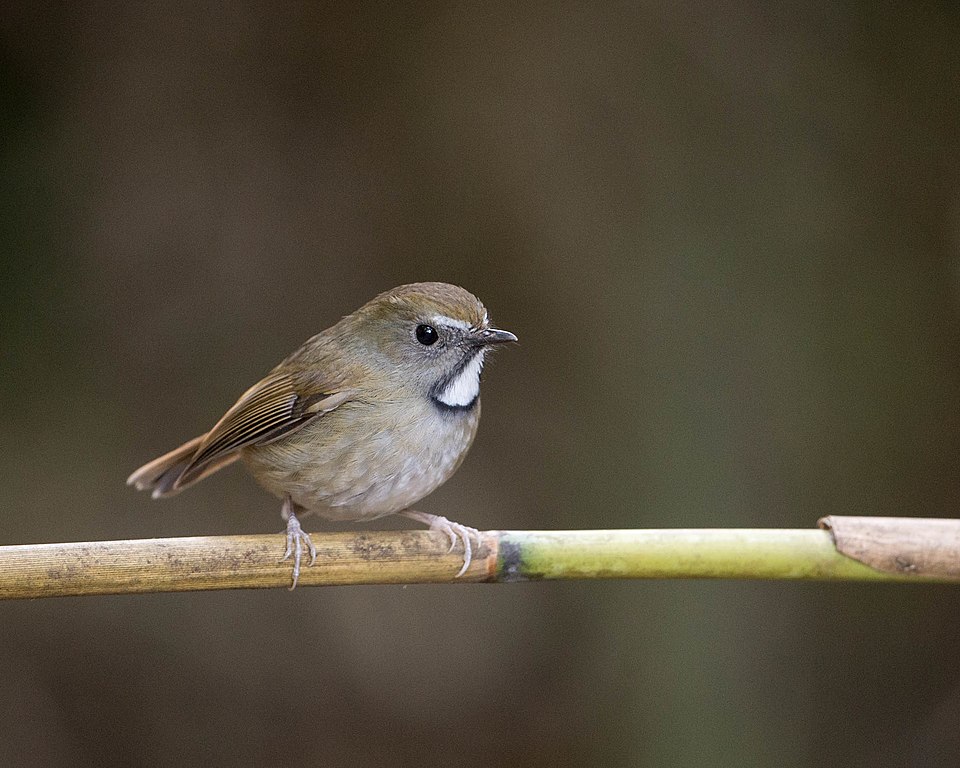
Identifying the Asian Brown Flycatcher involves noting several key features. Adult birds display a predominantly light brown to grayish-brown plumage on their upperparts, which can appear nondescript at a distance. The underparts are paler, often presenting a lighter gray or off-white appearance. A distinctive feature is its broad, flat bill, adapted for catching insects on the wing. The bird's eye is large and dark, with a subtle pale eye-ring that aids in identification.
Differentiating males from females is challenging, as both sexes share similar plumage. However, juveniles can be recognized by their streaked breast and a generally more mottled appearance. Compared to other flycatchers, the Asian Brown Flycatcher is less colorful, which can lead to confusion with other brownish songbirds. Despite this, its behavior and habitat preference often provide additional clues for proper identification.
In flight, the Asian Brown Flycatcher exhibits a subtle but steady wing stroke, characterized by short bursts of flapping interspersed with brief glides. When perched, it maintains an upright posture, often sitting patiently on a branch before darting out to catch insects. The combination of its subdued coloration, distinctive bill shape, and specific foraging behavior can assist birders in distinguishing it from similar species.
Having trouble telling birds apart? Upload a photo to our bird identification tool for an instant species match.
Asian Brown Flycatcher Habitat and Range
Preferred Habitat
The Asian Brown Flycatcher thrives in a variety of woodland habitats, with a preference for deciduous and mixed forests. It inhabits both lowland and montane regions, ranging in elevation from sea level to approximately 2,500 meters in mountainous areas. In breeding season, it favors temperate forests in regions such as Siberia and the northern Himalayas.
During migration and wintering periods, it often shifts to tropical lowland forests, gardens, and edges of cultivated lands across Southeast Asia, including countries like India, Myanmar, and Indonesia. These diverse habitat preferences underscore the species' adaptability to both urban and rural settings, though it primarily avoids open and arid landscapes.
In urban areas, the Asian Brown Flycatcher can be spotted in parks and large gardens, where mature trees provide necessary cover and feeding opportunities. This adaptability to different habitats highlights the bird's resilience and ability to thrive in varied environments.
Geographic Range
The Asian Brown Flycatcher boasts an extensive range across Asia, covering a vast span of geographic locations. During its breeding season, it can be found in the temperate zones of Siberia, northeast China, and northern Japan. This seasonal range includes regions with mixed and coniferous forests, where the bird nests and raises its young.
As winter approaches, the flycatcher undertakes a significant migration to the warmer climates of Southeast Asia. Its wintering grounds are spread across countries like Thailand, Malaysia, Indonesia, and the Philippines, where it finds suitable habitats in lowland forests and gardens. The flycatcher's migration corridors often include passage through regions in eastern China and the Indian subcontinent.
Notably, population densities are higher in forested regions of Southeast Asia during the winter months, where the bird finds ample food resources. The wide range of the Asian Brown Flycatcher underscores its adaptability and the critical role of migratory pathways in its life cycle.
Want to know which birds visit your area? Browse our backyard birds by location guides for region-specific species lists.
What Does the Asian Brown Flycatcher Eat?
The diet of the Asian Brown Flycatcher primarily consists of flying insects, which the bird adeptly catches in mid-air. This insectivorous diet makes it an essential component of its ecosystem, helping to control insect populations. Common prey items include flies, beetles, and moths, with the bird showing a preference for small to medium-sized insects.
Seasonal changes influence the flycatcher's diet, with some variation in the types of insects consumed depending on availability. During the breeding season, when energy demands are higher, the bird may also consume spiders and other arthropods to supplement its diet.
The Asian Brown Flycatcher employs a sit-and-wait foraging technique, perching quietly before launching into the air to snatch prey. This method allows it to conserve energy while effectively capturing a variety of insects. Feeding occurs throughout the day, with peaks in activity during the early morning and late afternoon when insect activity is highest.
Asian Brown Flycatcher Behavior and Social Structure
The Asian Brown Flycatcher exhibits a range of behaviors that reflect its adaptability and ecological role. During the breeding season, pairs establish territories, with males often engaging in vocal displays to assert dominance and attract mates. This territoriality is crucial for ensuring adequate resources for raising young.
Outside of the breeding season, the flycatcher becomes more gregarious, sometimes forming loose associations with other small birds in mixed-species flocks. This behavior can enhance foraging success and provide protection from predators, as larger groups can better detect and deter threats.
Courtship involves a series of aerial displays and song, with males showcasing their agility and vocal abilities. In response to predators, the Asian Brown Flycatcher often employs a series of alarm calls and evasive flight maneuvers. Daily activity patterns are diurnal, with most foraging and social interactions occurring during daylight hours.
Asian Brown Flycatcher Nesting and Reproduction
The nesting habits of the Asian Brown Flycatcher involve careful selection of sites that offer protection and proximity to food resources. Nests are typically built in tree cavities, crevices, or on branches well-hidden by foliage. The construction involves fine plant materials, moss, and spider webs, providing a sturdy yet camouflaged structure.
Clutch sizes range from 3 to 5 eggs, with the female primarily responsible for incubation, lasting approximately 12-14 days. During this period, the male often assists by providing food to the female. Once hatched, both parents participate in feeding the chicks, which fledge after about 13-15 days post-hatching.
The Asian Brown Flycatcher may produce one to two broods per year, depending on environmental conditions and food availability. This reproductive strategy ensures that the species can maintain its population across its extensive range.
Asian Brown Flycatcher Sounds and Vocalizations
The primary song of the Asian Brown Flycatcher is a series of soft, melodious whistles, often described as a 'trii-trii' sound. This song, typically heard during the breeding season, serves as both a territorial call and a mating signal. Its rhythm is deliberate, with a clear pitch that carries well in forested environments.
In addition to its song, the flycatcher emits a variety of call notes, including sharp 'chip' and 'tik' sounds used for communication between mates or to alert others of potential threats. Alarm calls are more rapid and urgent, indicating the presence of predators.
During dawn and dusk, the Asian Brown Flycatcher contributes to the avian chorus, its song blending with those of other woodland species. These vocalizations play a vital role in maintaining social bonds and establishing territory.
Interesting Facts About the Asian Brown Flycatcher
- 1The Asian Brown Flycatcher can travel over 3,000 kilometers during its migratory journey from breeding to wintering grounds.
- 2Despite its plain appearance, the Asian Brown Flycatcher is an accomplished aerial hunter, capable of catching insects in mid-flight with remarkable agility.
- 3This species is known to sometimes join mixed-species flocks during migration, enhancing its foraging success and predator avoidance.
- 4The Asian Brown Flycatcher's song is relatively simple compared to other songbirds, yet it plays a crucial role in territory establishment and mate attraction.
- 5In urban areas, the Asian Brown Flycatcher can adapt to parks and gardens, demonstrating its ability to coexist with human-altered landscapes.
Asian Brown Flycatcher Conservation Status
The Asian Brown Flycatcher currently holds a status of Least Concern according to the IUCN Red List, indicating a stable population trend across its broad range. Despite this favorable status, habitat loss due to deforestation poses a potential threat to some populations, particularly in Southeast Asia where logging and agriculture are prominent. Conservation efforts focus on preserving forest habitats and maintaining ecological corridors that facilitate migration. Monitoring programs track population changes, providing data essential for future conservation planning. Historically, the species has shown resilience to environmental changes, adapting well to modified habitats such as parks and gardens. While not immediately threatened, continued vigilance is necessary to ensure that the Asian Brown Flycatcher remains a common and widespread species throughout its range.
Other Muscicapidae Species


Birds Similar to the Asian Brown Flycatcher
These species are often confused with the Asian Brown Flycatcher due to similar appearance or overlapping range.