
Dusky-blue Flycatcher
Muscicapa comitata
Order: Passeriformes / Family: Muscicapidae

Wikimedia Commons
About the Dusky-blue Flycatcher
The Dusky-blue Flycatcher (Muscicapa comitata) is a small but captivating songbird predominantly found within the lush tropical and subtropical forests of Central and West Africa. This bird belongs to the Muscicapidae family, known for their adept hunting skills and aerial agility. Adapted to live in dense forest environments, the Dusky-blue Flycatcher primarily inhabits the understory and mid-canopy layers, where it deftly catches insects on the wing. Its presence serves as an indicator of forest health, as it relies on a rich, biodiverse insect population for sustenance.
In terms of ecological significance, the Dusky-blue Flycatcher plays a crucial role in controlling insect populations, thus contributing to the balance of its ecosystem. Predominantly insectivorous, it consumes a variety of flying insects such as flies, mosquitoes, and beetles. This diet makes it an essential participant in regulating potential pest populations. The bird's foraging habits also contribute to natural pest control, benefitting both the forest ecosystem and adjacent agricultural areas.
The Dusky-blue Flycatcher exhibits seasonal behaviors that reflect its adaptability to environmental changes. During the breeding season, which typically occurs in the wet months, these flycatchers engage in complex courtship displays and vocalizations. Their vocal repertoire is not only a means of attracting mates but also serves to establish and maintain territories. Outside the breeding season, the flycatcher may join mixed-species foraging flocks, a behavior that enhances feeding efficiency and offers protection from predators.
The geographic distribution of the Dusky-blue Flycatcher spans several key African countries including Ghana, Nigeria, Cameroon, and the Democratic Republic of the Congo. Within these regions, they favor humid forests, often staying at elevations ranging from sea level up to 1,500 meters, depending on forest density and availability of food resources. Their presence across a broad range of tropical habitats underscores their adaptability and resilience, though they are sensitive to habitat degradation caused by deforestation and human encroachment.
The Dusky-blue Flycatcher belongs to the family Muscicapidae, within the order Passeriformes. These birds typically live average 5-7 years, with a maximum recorded of 10 years..
How to Identify a Dusky-blue Flycatcher
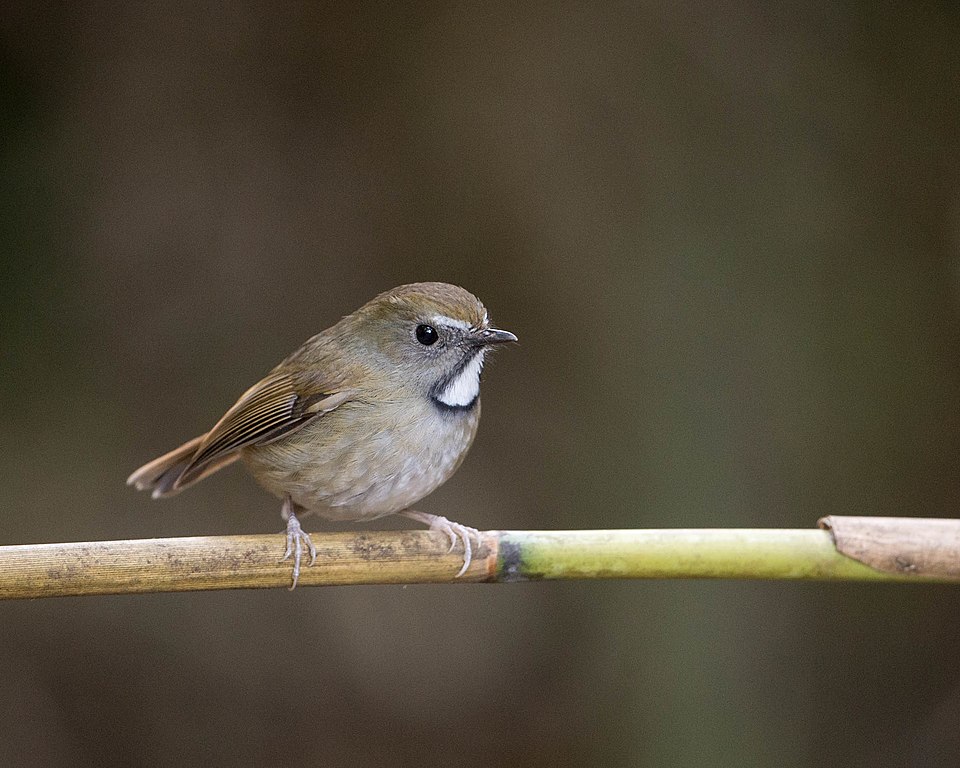
The Dusky-blue Flycatcher is a small bird, measuring about 12 to 14 centimeters in length, with a wingspan that ranges from 18 to 22 centimeters. Its plumage is characterized by a subtle blend of blue-gray tones, giving it a distinctive yet understated appearance. The top of its head, back, and wings exhibit a muted blue-gray coloration, while the underparts are generally lighter with a slight whitish tinge on the belly.
Males and females look quite similar, but females may appear slightly duller in coloration. Juveniles, on the other hand, can be distinguished by their browner plumage with speckled underparts, which provides them with camouflage against predators. When observed in flight, the Dusky-blue Flycatcher displays a compact silhouette with relatively short, rounded wings and a slightly notched tail.
In perching posture, the Dusky-blue Flycatcher often sits upright on thin branches, scanning its surroundings for flying insects. This posture, combined with its frequent sallying flights to catch prey, is a key behavioral trait that aids in field identification. While there are other flycatchers within its range, the Dusky-blue Flycatcher's unique color palette and behaviors help distinguish it from similar species.
Having trouble telling birds apart? Upload a photo to our bird identification tool for an instant species match.
Dusky-blue Flycatcher Habitat and Range
Preferred Habitat
The Dusky-blue Flycatcher primarily inhabits tropical and subtropical forests, frequently residing in the understory and mid-canopy levels where insect activity is high. It favors dense, humid environments rich in biodiversity, commonly found in primary and secondary forests. The bird is adaptable to a range of forest types, including lowland rainforests and montane forests up to altitudes of 1,500 meters.
During different seasons, the Dusky-blue Flycatcher may adjust its habitat preferences slightly, moving to areas with abundant food resources. While it typically avoids urban areas, it can occasionally be found in rural gardens and plantations that border forests, provided these areas maintain adequate vegetative cover and insect populations.
This species shows a preference for intact forest habitats, as it relies on the complex structure and diverse insect fauna associated with such environments. Habitat fragmentation and deforestation pose significant threats to its preferred living spaces, emphasizing the need for conservation of forested areas to support its populations.
Geographic Range
The Dusky-blue Flycatcher's range extends across several West and Central African countries. It is particularly prevalent in nations such as Ghana, Cameroon, Nigeria, and the Democratic Republic of the Congo. Within these territories, it primarily resides in forested regions, thriving in both primary and secondary forests.
The Dusky-blue Flycatcher is not known to undertake long-distance migrations. Instead, it exhibits some altitudinal movement in response to food availability and climatic conditions. During the wet season, when insect abundance peaks, the bird may expand its range to higher elevations and denser forest areas.
Despite its relatively stable range, the Dusky-blue Flycatcher faces challenges due to habitat destruction and fragmentation, which can isolate populations and reduce genetic diversity. Conservation efforts focused on preserving forest corridors and mitigating deforestation are crucial to maintaining the connectivity and health of its populations.
Want to know which birds visit your area? Browse our backyard birds by location guides for region-specific species lists.
What Does the Dusky-blue Flycatcher Eat?
The diet of the Dusky-blue Flycatcher is primarily composed of flying insects, which it skillfully catches in mid-air. Its primary food sources include flies, mosquitoes, beetles, and various other small arthropods. The bird employs a sit-and-wait strategy, perching patiently until it spots potential prey, then launching into quick, agile flights to capture it.
During the wet season, when insect populations are at their peak, the Dusky-blue Flycatcher benefits from a diverse and abundant supply of food. In contrast, during drier periods, the bird may expand its diet to include other small invertebrates and occasionally berries or seeds, though insects remain its primary focus.
The Dusky-blue Flycatcher typically forages during the daylight hours, with peak activity occurring in the early morning and late afternoon. This schedule aligns with the daily activity patterns of many insects, maximizing the bird's foraging efficiency. By consuming a variety of insect species, the Dusky-blue Flycatcher contributes significantly to controlling insect populations within its habitat.
Dusky-blue Flycatcher Behavior and Social Structure
The Dusky-blue Flycatcher displays a variety of intriguing behaviors that reflect its adaptability and ecological role. It is predominantly solitary or found in pairs during the breeding season. However, outside this period, it sometimes joins mixed-species foraging flocks. This behavior enhances its feeding efficiency and reduces the risk of predation.
Territorial behavior is pronounced during the breeding season. Males establish and defend territories through vocalizations and aerial displays, often engaging in territorial disputes with other males. Courtship displays are also a vital component of their behavior, involving elaborate flight patterns and vocalizations to attract potential mates.
The Dusky-blue Flycatcher is generally active during the day, following a diurnal activity pattern. It spends a significant portion of its day perching and scanning for insects, interspersed with short sallying flights to capture prey. When threatened by predators, the flycatcher relies on its agility and the dense forest canopy to evade capture, often retreating to thicker foliage for cover.
Dusky-blue Flycatcher Nesting and Reproduction
The Dusky-blue Flycatcher constructs an open cup nest using a mix of natural materials such as twigs, grasses, and moss. These nests are strategically placed in the forks of tree branches, usually within the mid-canopy level, providing both concealment and protection from ground-based predators.
During the breeding season, which coincides with the rainy months, females lay clutches typically consisting of 2 to 3 eggs. The incubation period lasts approximately 12 to 14 days, with the female primarily responsible for incubating the eggs while the male provides food.
Once hatched, both parents partake in feeding and caring for the nestlings. The fledging period lasts about 14 to 16 days, after which the young birds leave the nest but continue to receive parental care for several more weeks. The Dusky-blue Flycatcher usually raises one brood per year, though in areas with extended favorable conditions, a second brood may occur.
Dusky-blue Flycatcher Sounds and Vocalizations
The primary song of the Dusky-blue Flycatcher consists of a series of soft, melodic whistles interspersed with brief pauses. The rhythm is steady, and the pitch remains relatively constant, making it a soothing and gentle addition to the forest soundscape. Compared to other flycatchers, its song is less complex but no less enchanting.
Call notes include short, sharp chirps used for communication between mates or to signal alarm. When alarmed, the Dusky-blue Flycatcher emits a rapid series of high-pitched notes that serve to alert other birds to potential threats.
During the early morning hours, the Dusky-blue Flycatcher participates in the dawn chorus, contributing its distinctive whistles to the symphony of forest sounds. This behavior not only marks territory but also strengthens pair bonds and attracts potential mates.
Interesting Facts About the Dusky-blue Flycatcher
- 1The Dusky-blue Flycatcher can catch dozens of small insects in a single day, showcasing its remarkable foraging skills.
- 2Despite its small size, the Dusky-blue Flycatcher plays a vital role in controlling mosquito populations, contributing to its ecosystem's health.
- 3The Dusky-blue Flycatcher often joins mixed-species flocks, which helps it find food more efficiently and evade predators.
- 4With a wingspan of up to 22 centimeters, the Dusky-blue Flycatcher is adept at maneuvering through dense forest canopies.
- 5Though primarily insectivorous, the Dusky-blue Flycatcher occasionally supplements its diet with small berries or seeds during leaner times.
- 6The Dusky-blue Flycatcher's song is a gentle series of whistles, contrasting with the more complex calls of other flycatchers.
- 7Females of the species are slightly duller in color than males, providing them with a subtle advantage in camouflage during nesting.
Dusky-blue Flycatcher Conservation Status
The Dusky-blue Flycatcher is currently listed as Least Concern by the IUCN, indicating a stable global population. However, localized threats such as deforestation and habitat fragmentation pose challenges to its long-term viability. In areas where forest cover is rapidly diminishing, populations of the Dusky-blue Flycatcher may experience decline. Conservation efforts focus on preserving forest habitats and promoting sustainable land-use practices to mitigate habitat loss. Protecting large contiguous areas of forest and creating corridors to connect fragmented habitats are essential steps in ensuring the flycatcher's continued survival. Historically, the Dusky-blue Flycatcher's population has remained relatively stable, benefiting from its adaptability to various forest types. Nonetheless, ongoing monitoring and conservation initiatives are necessary to maintain healthy population levels in the face of increasing anthropogenic pressures.
Other Muscicapidae Species


Birds Similar to the Dusky-blue Flycatcher
These species are often confused with the Dusky-blue Flycatcher due to similar appearance or overlapping range.