
Brown-tailed Flycatcher
Muscicapa fulvicauda
Order: Passeriformes / Family: Muscicapidae

Wikimedia Commons
About the Brown-tailed Flycatcher
The Brown-tailed Flycatcher (Muscicapa fulvicauda) is a small passerine bird of the Muscicapidae family. This bird is a significant component of the ecosystems it inhabits, contributing to insect population control through its diet. Its range extends across parts of South Asia and Southeast Asia, including countries such as India, Bangladesh, Myanmar, and Thailand. The Brown-tailed Flycatcher typically resides in subtropical or tropical moist lowland forests, where it benefits from the dense foliage and abundant insect life.
The presence of the Brown-tailed Flycatcher in these regions underscores its adaptability and ecological importance. As a primarily insectivorous species, it plays a critical role in maintaining the balance of insect populations, which can have cascading effects on the health of the forest ecosystem. Its feeding habits help manage potential pest species, protecting native flora and indirectly supporting other wildlife.
Seasonally, the Brown-tailed Flycatcher exhibits some behavioral shifts. During the breeding season, typically from March to July, individuals become more territorial, often seen actively defending their nesting sites. Outside the breeding season, these flycatchers may be observed in mixed-species flocks, demonstrating their adaptability in social structure. They utilize forested landscapes year-round, but they may also venture into adjacent open areas or cultivated lands in search of food.
The flycatcher's survival is intimately linked to the health of its forest habitats. Deforestation and habitat fragmentation pose significant threats, as these activities reduce available nesting sites and food resources. Conservation efforts focus on habitat protection and the preservation of contiguous forest tracts, which are essential for the species' long-term viability. By understanding the ecological role and conservation status of the Brown-tailed Flycatcher, researchers and conservationists can better formulate strategies to protect this important avian species.
The Brown-tailed Flycatcher belongs to the family Muscicapidae, within the order Passeriformes. These birds typically live average 3-4 years with a max recorded of 6 years..
How to Identify a Brown-tailed Flycatcher
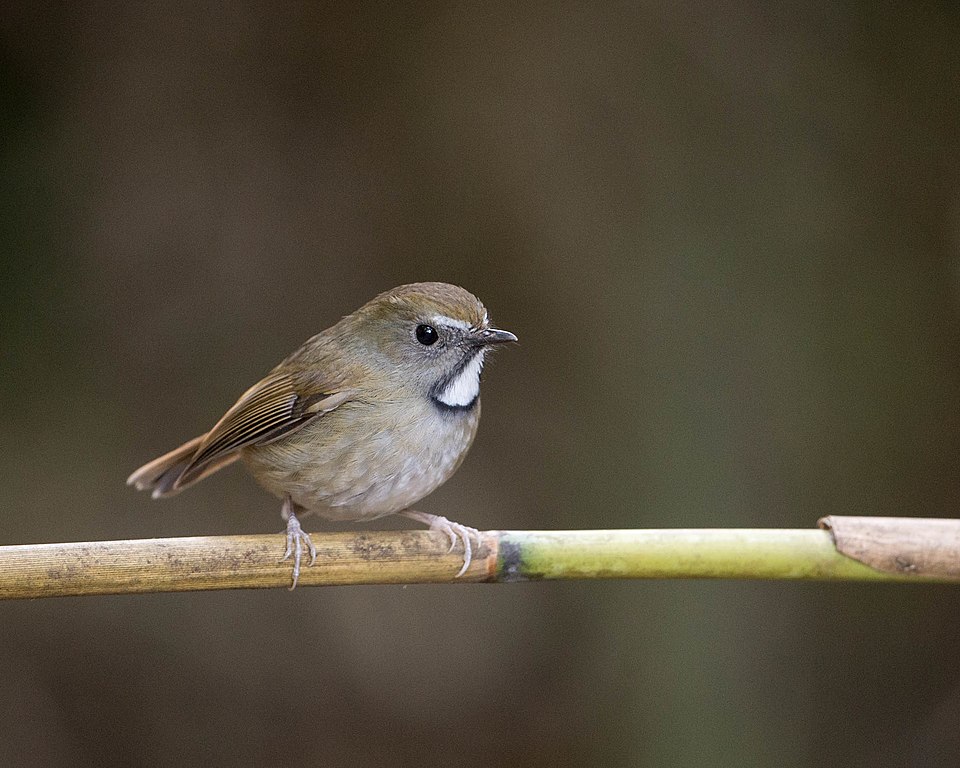
The Brown-tailed Flycatcher is easily recognized by its brown tail, which contrasts with its otherwise grayish-brown upperparts. Adults typically measure around 13-14 cm in length, with a wingspan of approximately 20 cm. The bird's underparts are lighter, exhibiting a pale whitish color on the throat and belly, often with subtle streaking.
Juvenile Brown-tailed Flycatchers display a more mottled appearance with spots and streaks on their breast, providing camouflage among the forest foliage. Males and females are similar in appearance, although females may exhibit slightly duller plumage. This similarity can make sex differentiation in the field challenging, requiring careful observation.
In flight, the Brown-tailed Flycatcher maintains a steady, direct path, characterized by quick wingbeats. When perched, it often adopts an upright posture, typical of flycatchers, allowing it to survey its surroundings for potential prey. This species can sometimes be confused with the Asian Brown Flycatcher due to similar plumage, but the distinctive brown tail of Muscicapa fulvicauda helps to reliably distinguish it.
Having trouble telling birds apart? Upload a photo to our bird identification tool for an instant species match.
Brown-tailed Flycatcher Habitat and Range
Preferred Habitat
The Brown-tailed Flycatcher predominantly inhabits subtropical and tropical moist lowland forests. These forests offer rich insect life and dense cover essential for nesting and foraging. While the species prefers primary forests, it also adapts to secondary forests and forest edges.
The flycatcher is generally found at elevations ranging from sea level up to about 1,500 meters. Seasonal habitat shifts are minimal, as it tends to remain within forested environments year-round. However, during non-breeding periods, it can sometimes be observed in surrounding cultivated areas or gardens, indicating a degree of adaptability to altered landscapes.
Urban presence is relatively rare, as the Brown-tailed Flycatcher favors more natural, wooded settings. Conservation of its preferred habitats is crucial, particularly in regions experiencing rapid deforestation.
Geographic Range
The Brown-tailed Flycatcher is primarily found in the Indian subcontinent and Southeast Asia. Its breeding range includes parts of India, Bangladesh, Myanmar, and Thailand. The species is non-migratory, generally residing within the same geographical range throughout the year.
In India, it is more common in the northeastern regions and along the foothills of the Himalayas. In Myanmar and Thailand, it occupies lowland forests and forest edges, where it remains year-round. Despite being relatively widespread, the population density can vary, with hotspots in regions where its preferred habitats are more intact.
As a resident species, the Brown-tailed Flycatcher does not partake in long-distance migrations. Instead, it may engage in altitudinal movements, occasionally descending to lower elevations during adverse weather conditions. These movements, however, are typically local and do not constitute true migratory behavior.
Want to know which birds visit your area? Browse our backyard birds by location guides for region-specific species lists.
What Does the Brown-tailed Flycatcher Eat?
The diet of the Brown-tailed Flycatcher consists primarily of insects, which it captures in flight or gleans from foliage. Common prey items include flies, beetles, and caterpillars, reflecting its role as an insectivore. The bird's keen eyesight and agile flight make it an effective hunter, capable of capturing small, fast-moving prey mid-air.
Seasonal variations in diet are influenced by prey availability. During the breeding season, the need for high-energy food sources may lead to a preference for larger insects, providing greater nutritional value for both adults and their offspring. In contrast, the non-breeding season may see the flycatcher relying on a wider variety of smaller prey items.
The Brown-tailed Flycatcher employs a sit-and-wait foraging strategy, often perching quietly before suddenly darting out to snatch its prey. This method is energy-efficient and allows the bird to exploit a range of insect populations within its habitat. The feeding schedule is diurnal, with peak activity occurring during the early morning and late afternoon when insect activity is highest.
Brown-tailed Flycatcher Behavior and Social Structure
The Brown-tailed Flycatcher exhibits a mix of solitary and social behaviors. During the breeding season, pairs establish and defend territories, often displaying aggressive behaviors toward intruders. Territorial boundaries are marked by vocalizations and physical displays, reinforcing the pair's claim to a particular area.
Courtship in the Brown-tailed Flycatcher involves a series of aerial displays and vocalizations, with males often presenting food items to potential mates. These displays serve to strengthen pair bonds and ensure successful reproduction. Outside the breeding season, the flycatcher may join mixed-species flocks, benefiting from the increased vigilance and foraging opportunities provided by group living.
In response to predators, the Brown-tailed Flycatcher employs a variety of avoidance strategies, including evasive flight and seeking cover in dense foliage. It is most active during daylight hours, with peak activity in the early morning and late afternoon. This pattern aligns with the activity of its insect prey, optimizing foraging success. The bird's vocalizations, particularly its calls, play a role in maintaining contact with mates and coordinating movements within flocks.
Brown-tailed Flycatcher Nesting and Reproduction
The nesting habits of the Brown-tailed Flycatcher are closely tied to its forested habitat. Nests are typically constructed in the fork of a tree branch, often at heights ranging from 2 to 10 meters above the ground. The nest is cup-shaped, built from a variety of natural materials, including grass, moss, and spider silk, which provide structural integrity and camouflage.
A typical clutch consists of 2 to 4 eggs, which are pale with subtle speckling. The incubation period lasts approximately 12 to 14 days, with both parents sharing responsibilities. After hatching, chicks remain in the nest for about 14 to 16 days, during which time they are fed a diet rich in insects by both parents.
The Brown-tailed Flycatcher may raise one to two broods per year, depending on environmental conditions and food availability. Parental roles are crucial, with both males and females actively involved in feeding and protecting the young. This cooperative breeding strategy enhances the chances of offspring survival in the variable forest environment.
Brown-tailed Flycatcher Sounds and Vocalizations
The vocal repertoire of the Brown-tailed Flycatcher includes a primary song composed of a series of high-pitched, melodious notes. This song, often delivered from a concealed perch, serves to assert territorial boundaries and attract mates. The pitch is relatively high, and the rhythm is rapid, creating a distinctive auditory signature that can be recognized by experienced birders.
In addition to its song, the Brown-tailed Flycatcher emits various call notes, which are short and sharp. These calls facilitate communication between mates and signal alarm when predators are near. During the dawn chorus, the flycatcher's contributions are particularly prominent, adding to the symphony of sounds that characterize forest ecosystems at daybreak.
Alarm calls are more abrupt and serve as an immediate warning to other birds in the vicinity. These vocalizations, while simple, are crucial for the flycatcher's survival, providing early alerts to potential threats and enabling rapid response actions.
Interesting Facts About the Brown-tailed Flycatcher
- 1The Brown-tailed Flycatcher can consume up to its body weight in insects each day, showcasing its role as an insectivore.
- 2Despite its name, the Brown-tailed Flycatcher is not closely related to the true flycatchers of the Americas, belonging instead to the Old World flycatcher family.
- 3The species' scientific name, Muscicapa fulvicauda, reflects its distinctive tail coloration, with 'fulvicauda' meaning 'brown tail' in Latin.
- 4During courtship, male Brown-tailed Flycatchers perform aerial displays, showcasing their agility and appealing to potential mates.
- 5The Brown-tailed Flycatcher often participates in mixed-species flocks outside the breeding season, enhancing its foraging efficiency.
- 6This flycatcher has adapted to a variety of forest types, thriving in both primary and secondary growth, demonstrating its ecological flexibility.
- 7The nest of a Brown-tailed Flycatcher is often lined with spider silk, providing added strength and flexibility to the structure.
Brown-tailed Flycatcher Conservation Status
The Brown-tailed Flycatcher is currently listed as Least Concern by the IUCN due to its wide distribution and stable population numbers. However, ongoing threats such as deforestation and habitat fragmentation pose significant risks to its long-term survival. Habitat destruction, particularly in Southeast Asia, has led to a reduction in suitable nesting and foraging areas. Conservation efforts focus on preserving existing forest tracts and promoting reforestation initiatives, which are essential for maintaining stable population levels. Historically, the Brown-tailed Flycatcher has shown resilience in the face of habitat changes, but continued pressure may alter this trend. Monitoring population trends and implementing protective measures are critical for ensuring that this species remains secure. Collaborative efforts between local governments and conservation organizations aim to address these challenges through sustainable land-use practices.
Other Muscicapidae Species


Birds Similar to the Brown-tailed Flycatcher
These species are often confused with the Brown-tailed Flycatcher due to similar appearance or overlapping range.
