
Muscicapa luzoniensis
Muscicapa luzoniensis
Order: Passeriformes / Family: Muscicapidae
About the Muscicapa luzoniensis
The Muscicapa luzoniensis, commonly known as the Philippine Flycatcher, is a small passerine bird belonging to the family Muscicapidae. It is endemic to the Philippines, found predominantly on the islands of Luzon, Mindanao, and other smaller islands. This species plays an integral role in its ecosystem by controlling insect populations, contributing to the balance within its native forests. Preferring semi-open forested areas, the Philippine Flycatcher thrives in both primary and secondary forests, demonstrating adaptability to habitat changes. Its presence is essential in maintaining the health of these ecosystems, as it helps to regulate insect populations, which could otherwise become pests. During the breeding season, which typically occurs from April to June, the Philippine Flycatcher is highly active in its woodland habitats. Outside of breeding, this bird remains relatively sedentary, showcasing a preference for familiar territories. The species is known for its vigorous flycatching behavior, often seen darting from perches to snatch flying insects mid-air. As a key insect predator, the Philippine Flycatcher contributes to the suppression of forest insect pests, aiding in the preservation of the flora. This bird's ecological role is crucial, especially in the face of deforestation and habitat fragmentation across the archipelago. Its continued presence in diverse forest habitats underscores the importance of conservation efforts aimed at protecting these environments.
The Muscicapa luzoniensis belongs to the family Muscicapidae, within the order Passeriformes. These birds typically live typically 4-5 years, with limited data on maximum age..
How to Identify a Muscicapa luzoniensis
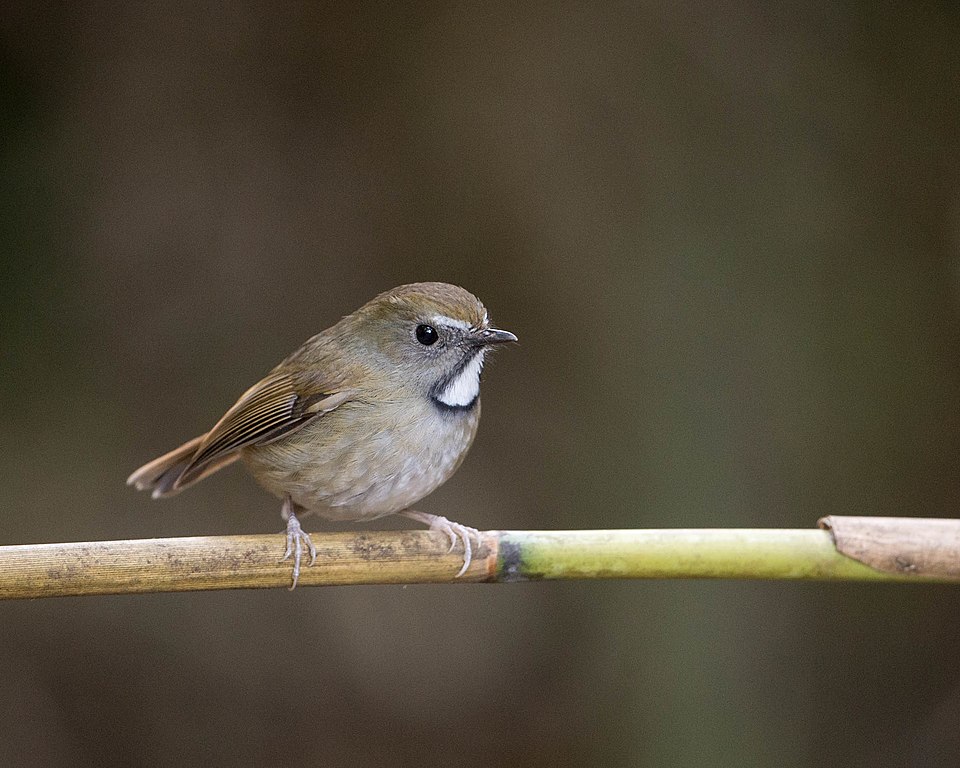
Adult Philippine Flycatchers exhibit a distinctive olive-brown coloration on their upper parts, with lighter underparts that often feature a pale yellowish wash on the belly. This subtle yet effective camouflage allows them to blend seamlessly with their forested surroundings. Juvenile birds resemble adults but tend to have more muted tones, with a slightly mottled appearance on their breast. Both male and female Philippine Flycatchers are similar in appearance, making it challenging to differentiate between the sexes in the field. However, males may sometimes exhibit slightly brighter plumage during the breeding season, a subtle cue for those with a keen eye. In flight, the Philippine Flycatcher displays a compact silhouette with rapid wingbeats, characteristic of the Muscicapidae family. When perched, it maintains an upright posture, often flicking its tail. Confusion with other flycatcher species is possible, particularly with the similarly-sized Asian Brown Flycatcher. However, the Philippine Flycatcher's more pronounced olive tones and distinct vocalizations help distinguish it from its counterparts.
Having trouble telling birds apart? Upload a photo to our bird identification tool for an instant species match.
Muscicapa luzoniensis Habitat and Range
Preferred Habitat
The Philippine Flycatcher inhabits a variety of forested environments, ranging from lowland tropical rainforests to montane forests up to elevations of about 2,000 meters. It is often found in mixed dipterocarp forests, as well as in areas of regenerating secondary growth, demonstrating a degree of adaptability to different forest types. While primarily a forest bird, the Philippine Flycatcher can occasionally be observed in more open areas near forest edges, especially during the non-breeding season. It shows a marked preference for areas with thick undergrowth and abundant insect life. Urbanization and deforestation pose challenges, yet this species has shown some resilience by utilizing fragmented forest patches and plantations.
Geographic Range
The Muscicapa luzoniensis is endemic to the Philippines, with its main populations concentrated in Luzon and Mindanao. It also occurs on smaller islands such as Leyte and Samar. The species does not migrate long distances, remaining largely resident within its range year-round. Local movements may occur in response to food availability or climatic conditions, but these are typically limited to within the same geographic region. The Philippine Flycatcher is most frequently encountered in the central and northern parts of Luzon, where population densities can be higher. In contrast, its presence on smaller islands can be more sporadic, often depending on the availability of suitable habitats.
Want to know which birds visit your area? Browse our backyard birds by location guides for region-specific species lists.
What Does the Muscicapa luzoniensis Eat?
The Philippine Flycatcher primarily feeds on insects, making it an efficient predator within its forest habitat. Its diet consists mainly of small flying insects such as flies, beetles, and moths, which it captures in mid-air using a sallying technique. This involves quick, agile flights from a perch to snatch prey with precision. During the breeding season, the demand for protein-rich food increases, and the Philippine Flycatcher may expand its diet to include caterpillars and other larval stages of insects. Seasonal variations in diet are largely influenced by the abundance of prey, with some shifts towards more terrestrial insects during wetter months. Foraging typically occurs during daylight hours, with peak activity in the early morning and late afternoon when insect activity is highest.
Muscicapa luzoniensis Behavior and Social Structure
The Philippine Flycatcher is a solitary and territorial bird, especially during the breeding season when males become highly vocal and defensive of their territories. Courtship displays often involve aerial chases and vocalizations, with males using song to attract females and deter rivals. Although generally solitary, these flycatchers may form loose associations with other insectivorous birds when foraging outside the breeding season, benefiting from the increased efficiency of group foraging. The Philippine Flycatcher exhibits a diurnal activity pattern, most active in the early morning and late afternoon, coinciding with peak insect activity. In the presence of predators, it employs a range of evasive maneuvers and utilizes dense foliage for cover.
Muscicapa luzoniensis Nesting and Reproduction
The Philippine Flycatcher constructs a cup-shaped nest, typically using materials such as grasses, roots, and mosses, often lined with softer materials for insulation. These nests are usually placed in the fork of a tree branch, often concealed by dense foliage to protect from predators. Clutch size generally consists of two to three eggs, with both parents sharing incubation duties, which last approximately 14 days. After hatching, both parents remain actively involved in feeding and protecting the chicks until they fledge, usually around 15 to 18 days after hatching. The Philippine Flycatcher typically raises one brood per year, although favorable conditions may occasionally allow for a second.
Muscicapa luzoniensis Sounds and Vocalizations
The primary song of the Philippine Flycatcher is a melodious series of whistles and trills, characterized by a rhythmic and slightly descending sequence. It often begins with a few short notes, followed by a more complex, varied pattern. This song is most frequently heard during the breeding season as males establish territories and attract mates. Call notes are simpler, consisting of sharp 'chip' sounds used for communication between mates or signaling alarm. The Philippine Flycatcher participates in the dawn chorus, contributing to the rich tapestry of forest sounds with its distinctive calls.
Interesting Facts About the Muscicapa luzoniensis
- 1The Philippine Flycatcher can catch insects in mid-air with remarkable precision, a skill vital for its survival.
- 2Despite its name, the Philippine Flycatcher is not a true flycatcher, as it belongs to the Muscicapidae family.
- 3The song of the Philippine Flycatcher plays a crucial role in territory defense and mate attraction during the breeding season.
- 4This species' preference for diverse forest habitats makes it an important indicator of forest health.
- 5The Philippine Flycatcher is often spotted in the company of other insectivorous birds, forming mixed-species foraging flocks.
- 6With a compact and agile build, the Philippine Flycatcher is perfectly adapted for navigating dense forest canopies.
- 7The species' adaptability allows it to persist in both primary and secondary forests, demonstrating resilience to habitat changes.
Muscicapa luzoniensis Conservation Status
Currently classified as Least Concern by the IUCN, the Philippine Flycatcher faces threats from habitat loss due to deforestation and land conversion for agriculture. Despite these pressures, its population remains stable in many parts of its range, with conservation efforts focused on habitat preservation and restoration. Protecting remaining forest habitats and promoting reforestation are crucial steps in ensuring the species' long-term survival. Historical population trends show resilience in adapting to altered habitats, but ongoing habitat destruction could pose significant challenges.
Other Muscicapidae Species


Birds Similar to the Muscicapa luzoniensis
These species are often confused with the Muscicapa luzoniensis due to similar appearance or overlapping range.