
Muscicapa lutea
Muscicapa lutea
Order: Passeriformes / Family: Muscicapidae
About the Muscicapa lutea
The Muscicapa lutea, commonly known as the Yellow-bellied Flycatcher, is a small passerine bird that captivates birdwatchers with its striking plumage and lively demeanor. Belonging to the Muscicapidae family, this bird is primarily found across parts of Asia, where it thrives in diverse habitats ranging from deciduous forests to bamboo groves. Its presence in these areas underscores its ecological significance, particularly as an insectivorous species that helps regulate insect populations.
This flycatcher is noteworthy for its adaptability, often inhabiting elevations from lowland forests to mid-mountain ranges. During the breeding season, the Yellow-bellied Flycatcher displays a remarkable territoriality, vigorously defending its chosen area against intruders. This behavior not only ensures a safe environment for raising its young but also highlights its role as an active participant in its ecosystem.
Ecologically, the Muscicapa lutea plays a critical role in pest control, consuming a variety of insects that might otherwise affect plant health. Its migratory patterns are equally fascinating, as it travels considerable distances between breeding and wintering grounds. This seasonal movement influences not only its behavior but also the dynamics of the ecosystems it inhabits. Observing these changes offers valuable insights into the broader environmental shifts occurring within its range.
The Muscicapa lutea belongs to the family Muscicapidae, within the order Passeriformes. These birds typically live typically 5-7 years, with few records of longevity..
How to Identify a Muscicapa lutea
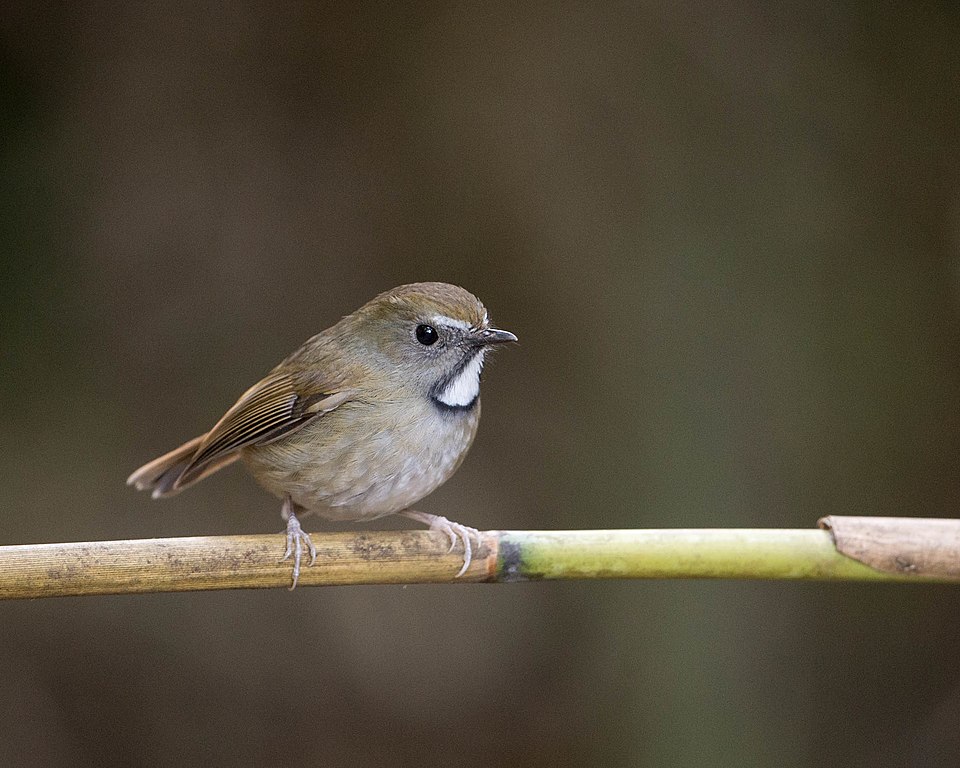
The Yellow-bellied Flycatcher is characterized by its bright yellow underparts, which provide a stark contrast to its olive-brown upperparts. Adults exhibit a prominent eye ring that can assist in identification. Juveniles, while similar in appearance, may have slightly duller plumage and less distinct markings. Both males and females share similar coloration, making sex differentiation in the field challenging without observing behavior.
In flight, the Muscicapa lutea's silhouette is typical of flycatchers, with a compact body and relatively short wings. Its flight pattern is agile and erratic, often seen darting through the canopy in pursuit of insects. When perched, the bird maintains an upright posture, often flicking its wings or tail as it surveys its surroundings.
While the Yellow-bellied Flycatcher shares its habitat with several other small, insectivorous birds, its distinctive coloration and behavior help distinguish it from similar species. However, birders should be cautious, as it can be confused with other flycatchers that share overlapping ranges.
Having trouble telling birds apart? Upload a photo to our bird identification tool for an instant species match.
Muscicapa lutea Habitat and Range
Preferred Habitat
The Muscicapa lutea thrives in a variety of habitats, predominantly favoring deciduous and mixed forests. In regions such as the Himalayas and Southeast Asia, it can be found at elevations ranging from sea level to mid-altitudes, typically up to 1500 meters. During the breeding season, it often selects dense forested areas that provide ample cover and food resources.
Seasonal habitat shifts are common for this species, with its wintering grounds extending to more open areas, including scrublands and bamboo groves. In urban environments, the Yellow-bellied Flycatcher is less common, although it may occasionally be observed in city parks or large gardens that mimic its natural habitat. Its adaptability to different environments demonstrates its resilience and ability to exploit various ecological niches.
Geographic Range
The breeding range of the Muscicapa lutea spans parts of northern and eastern Asia, including regions such as the Himalayas, northern India, and parts of China. During migration, the flycatcher traverses several countries, moving towards its wintering grounds in Southeast Asia, including Thailand and Vietnam.
Throughout its range, the Yellow-bellied Flycatcher is more densely populated in forested areas where insect availability is high. However, during migration, it may be observed in a wider variety of settings, including less densely vegetated areas. Migration corridors are critical for this species, as they provide necessary stopover sites for rest and refueling.
Population density varies depending on habitat quality and food availability, with optimal conditions supporting higher concentrations of birds. This variation underscores the importance of habitat conservation to maintain healthy populations across its range.
Want to know which birds visit your area? Browse our backyard birds by location guides for region-specific species lists.
What Does the Muscicapa lutea Eat?
The Yellow-bellied Flycatcher's diet primarily consists of insects, which it skillfully captures through aerial sallies. During the breeding season, its diet is heavily insectivorous, focusing on small flies, beetles, and caterpillars, which provide essential nutrients for both adults and nestlings.
Seasonal changes influence its diet, with the flycatcher incorporating more fruit and seeds during the winter months when insect availability decreases. This dietary flexibility aids in its survival across different habitats and seasons. The bird's foraging technique involves short, quick flights from perches, allowing it to snatch prey mid-air with remarkable precision.
The size of prey varies, typically ranging from small insects to medium-sized bugs, which the bird can handle efficiently. Its feeding schedule often aligns with peak insect activity, making dawn and dusk particularly productive times for foraging.
Muscicapa lutea Behavior and Social Structure
The Muscicapa lutea exhibits a complex array of behaviors, particularly during the breeding season when territoriality becomes pronounced. Males engage in aerial displays and vocalizations to establish dominance and secure territories, crucial for attracting mates and ensuring reproductive success.
The flycatcher typically leads a solitary or paired life, although it may join mixed-species foraging flocks outside the breeding season. These flocks provide safety in numbers and increase foraging efficiency by exploiting diverse food sources.
In response to predators, the Yellow-bellied Flycatcher relies on its agility and alertness, often taking to the air to evade threats. Its daily activity patterns revolve around foraging, with periods of increased activity observed during early morning and late afternoon.
Courtship displays are subtle yet effective, involving a combination of song and visual cues. These displays foster pair bonds and facilitate successful mating, ensuring the continuation of the species.
Muscicapa lutea Nesting and Reproduction
Nesting for the Muscicapa lutea involves meticulous site selection, with preferences for secluded locations within dense foliage. The nest is typically a cup-shaped structure constructed from twigs, moss, and fine grasses, providing a secure and camouflaged environment for the eggs.
Clutches generally consist of 3-5 eggs, with an incubation period lasting approximately 12-14 days. Both parents partake in feeding and caring for the young, although the female primarily handles incubation duties. Fledging occurs about 14-16 days post-hatching, with parents continuing to support the fledglings for several weeks thereafter.
The Yellow-bellied Flycatcher may raise one to two broods per year, depending on environmental conditions and food availability. This reproductive strategy ensures that at least some offspring survive to adulthood, contributing to population stability.
Muscicapa lutea Sounds and Vocalizations
The primary song of the Yellow-bellied Flycatcher is a series of melodious whistles and trills, with a rhythmic and repetitive quality that can be heard echoing through its forested habitat. Its call notes are sharp and brief, serving both communication and alarm purposes.
Alarm calls are harsher, intended to warn both mates and nearby birds of potential danger. During the dawn chorus, its song contributes to the symphony of sounds that characterize its ecosystem, often competing with the calls of other bird species.
Compared to familiar sounds, its song might resemble that of a warbler, yet its unique cadence and tone make it distinguishable to experienced birders.
Interesting Facts About the Muscicapa lutea
- 1The Yellow-bellied Flycatcher can travel over 2,000 kilometers during its migration between breeding and wintering grounds.
- 2This bird's diet shift from insects to fruits in winter exemplifies its adaptability to seasonal changes.
- 3The Muscicapa lutea is known for its territorial aggression, often chasing away intruders from its nesting area.
- 4Its song is a key component of the dawn chorus in its habitat, competing with other species for acoustic space.
- 5Despite its small size, the Yellow-bellied Flycatcher plays a significant role in controlling insect populations in its ecosystem.
Muscicapa lutea Conservation Status
Currently, the Muscicapa lutea holds a status of Least Concern on the IUCN Red List, with populations considered stable. However, habitat loss due to deforestation and land conversion poses a significant threat to its long-term survival. Conservation efforts focus on preserving critical habitats and ensuring sustainable land management practices in its range. Historical population changes have shown resilience, though continued monitoring is necessary to address emerging threats. Organizations are actively working to protect migration corridors and breeding sites, emphasizing the need for international cooperation in conservation strategies.
Other Muscicapidae Species


Birds Similar to the Muscicapa lutea
These species are often confused with the Muscicapa lutea due to similar appearance or overlapping range.