
Pogonocichla margaritata
Pogonocichla margaritata
Order: Passeriformes / Family: Muscicapidae
About the Pogonocichla margaritata
Pogonocichla margaritata, commonly known as the White-starred Robin, is a small yet vividly colored bird belonging to the Muscicapidae family. Its presence is most notable in the montane forests of sub-Saharan Africa, where its vibrant plumage and melodious song play a crucial role in the ecological tapestry. Found predominantly in countries such as South Africa, Zimbabwe, and Malawi, this species thrives in forested environments at elevations ranging from 1,500 to 3,000 meters. It is a resident breeder in these regions, contributing significantly to the forest ecosystem through seed dispersal and insect population control. The White-starred Robin has adapted well to its habitat, making it a vital component of the biodiversity in African highland areas. During the breeding season, typically from August to February, these robins become particularly vocal, their song resonating through the dense foliage. This period also marks their peak activity in terms of territorial displays and nest construction. The ecological role of Pogonocichla margaritata extends beyond its immediate environment. As an insectivore, it helps maintain a balance in arthropod populations, thus indirectly supporting the health of the forest. Its diet shifts with the seasons, highlighting its adaptability; while primarily insectivorous, it occasionally consumes fruits, aiding in the dispersal of seeds. Such interactions underscore the bird's importance in maintaining ecological equilibrium. Despite its seemingly modest size, the White-starred Robin wields considerable influence within its habitat. Its presence serves as an indicator of forest health, and its activities contribute to the intricate web of life in these montane regions. Conservation efforts focused on preserving these habitats are essential to ensuring the continued survival of this species and the myriad other organisms with which it shares its environment.
The Pogonocichla margaritata belongs to the family Muscicapidae, within the order Passeriformes. These birds typically live average 4-6 years with a maximum recorded of 8 years..
How to Identify a Pogonocichla margaritata
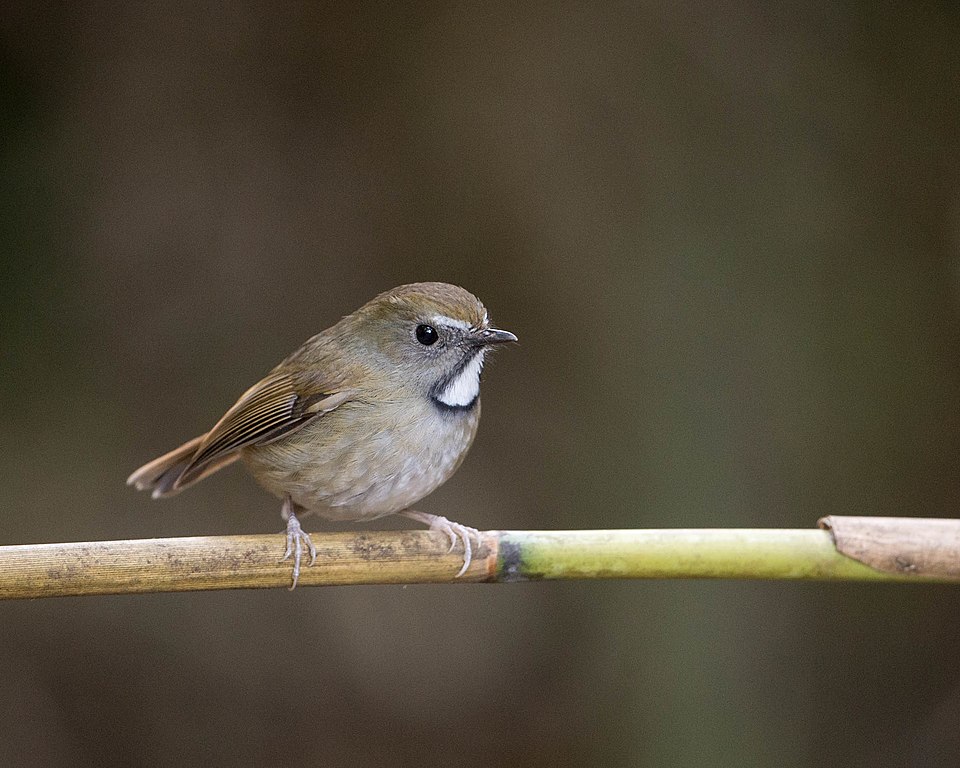
The White-starred Robin is easily identified by its striking plumage and distinctive markings. Adults display a vibrant blue upper body contrasted with a bright orange breast and belly, creating a striking visual impression. The most notable feature, however, is the white throat patch that gives the bird its common name. This patch often appears as a 'star' or 'triangle,' setting it apart from other species. Juvenile White-starred Robins are more subdued in coloration, with brownish tones and less distinct markings, gradually acquiring the characteristic adult plumage as they mature. Sexual dimorphism is subtle in this species, with males and females appearing quite similar, though males may exhibit slightly brighter coloration during the breeding season. The White-starred Robin can be confused with other robins and chats in its range, such as the Cape Robin-Chat, but the white throat patch and the vibrant blue of the upperparts are key differentiators. In flight, this robin exhibits a quick, agile pattern with rapid wingbeats, often flying close to the ground or between trees. When perched, it maintains an upright posture, often flicking its wings or tail, adding to its lively appearance.
Having trouble telling birds apart? Upload a photo to our bird identification tool for an instant species match.
Pogonocichla margaritata Habitat and Range
Preferred Habitat
The White-starred Robin inhabits the montane forests of sub-Saharan Africa, favoring moist, dense woodlands and the undergrowth of highland forests. It is typically found at elevations ranging from 1,500 to 3,000 meters, where the environment provides ample cover and foraging opportunities. Within these forests, Pogonocichla margaritata prefers areas with a thick understory, which offers protection from predators and provides a rich source of insects and other prey. Seasonal changes can affect habitat use; during colder months, these robins may move to slightly lower elevations within the forest to find more favorable microclimates. While primarily a forest dweller, the White-starred Robin can occasionally be found in gardens and wooded suburban areas adjacent to its natural habitat, where it benefits from human-planted trees and shrubs. However, it generally avoids open areas and is less common in heavily urbanized environments, preferring the shelter and resources provided by dense forest cover.
Geographic Range
The White-starred Robin's range spans several countries in sub-Saharan Africa, where it is primarily a resident breeder. Its range includes South Africa, Zimbabwe, Malawi, Tanzania, and parts of Mozambique, often concentrated in the eastern highlands and other mountainous regions. The bird does not typically migrate long distances, but it may exhibit altitudinal movements within its range, shifting to lower elevations during harsher weather conditions or in search of food. Within its range, Pogonocichla margaritata is most densely populated in areas with well-preserved montane forests, such as the Eastern Arc Mountains in Tanzania and the Drakensberg Mountains in South Africa. These regions offer the optimal mix of climate, vegetation, and food resources required by the species. Although the White-starred Robin is not considered a migratory bird, its altitudinal movements make it a dynamic part of the montane forest ecosystem, playing a role in both highland and adjacent lower elevation environments.
Want to know which birds visit your area? Browse our backyard birds by location guides for region-specific species lists.
What Does the Pogonocichla margaritata Eat?
Pogonocichla margaritata primarily feeds on insects and other small invertebrates, which it actively hunts in the leaf litter and low vegetation of its forest habitat. Its diet consists of beetles, ants, spiders, and caterpillars, with prey size varying from tiny insects to larger arthropods. The White-starred Robin employs a foraging technique known as 'gleaning,' where it picks off insects from leaves and branches while hopping through the undergrowth. It may also engage in 'hover-gleaning,' briefly hovering to snatch prey from foliage. During the breeding season, its diet becomes more protein-rich to support the increased energy demands of raising young. In addition to insects, the White-starred Robin occasionally consumes berries and small fruits, especially during times when insect availability decreases. This dietary flexibility helps the species survive seasonal fluctuations in food resources. The robin's feeding schedule is predominantly diurnal, with peak activity occurring in the early morning and late afternoon when insects are most active.
Pogonocichla margaritata Behavior and Social Structure
The White-starred Robin exhibits a variety of interesting behaviors, particularly during the breeding season. It is a territorial bird, with males actively defending their chosen areas through song and visual displays. The male's song is a primary tool for warding off competitors and attracting mates, often delivered from a concealed perch within the forest. Courtship involves the male showcasing his bright plumage through fluttering displays, accompanied by a series of soft calls directed toward the female. Pogonocichla margaritata typically maintains a solitary or paired existence outside of the breeding season, seldom forming larger flocks. However, during migration or in response to a sudden abundance of food, loose aggregations might form temporarily. When faced with predators, the White-starred Robin exhibits evasive behaviors, such as diving into dense cover or remaining motionless to blend into the surroundings. Daily activity patterns show a strong reliance on daylight, with the robin being most active at dawn and dusk. Its alert posture and agile movements make it a proficient forager and a vigilant observer of its environment.
Pogonocichla margaritata Nesting and Reproduction
The nesting habits of the White-starred Robin reflect its adaptability and resourcefulness. The species typically constructs cup-shaped nests using a variety of materials, including grass, moss, and leaves, often lined with finer fibers for added comfort. Nests are usually situated in low shrubs or forked branches, often hidden within dense vegetation to provide protection from predators. The nest placement varies, but it generally remains close to the ground, around 1 to 3 meters high. The female primarily undertakes the nest-building process, while the male may assist by providing materials. A typical clutch consists of 2 to 3 eggs, which the female incubates for approximately 12 to 14 days. During this period, the male plays an active role in providing food for the female. After hatching, both parents share the responsibility of feeding and caring for the nestlings. The fledging period lasts about 16 to 18 days, during which the young robins develop rapidly under the attentive care of their parents. The species usually raises one brood per year, though favorable conditions may occasionally allow for a second.
Pogonocichla margaritata Sounds and Vocalizations
The vocalizations of Pogonocichla margaritata are as distinctive as its plumage. The primary song is a melodious series of fluty notes that rise and fall in a rhythmic pattern, often described as both sweet and rich. These songs serve multiple purposes, including territory establishment and mate attraction. The robin's calls include a variety of chirps and whistles, often used to communicate with conspecifics. Alarm calls are sharper and more urgent, signaling potential threats to nearby birds. The White-starred Robin participates actively in the dawn chorus, its song contributing to the rich tapestry of sounds that define the forest mornings. Its vocalizations, both in song and call, are integral to its interactions with other forest inhabitants and play a crucial role in its daily life.
Interesting Facts About the Pogonocichla margaritata
- 1The White-starred Robin's distinctive white throat patch inspired its name and serves as a key field mark for identification.
- 2Despite its small size, the White-starred Robin plays a significant role in seed dispersal through its occasional fruit consumption.
- 3The species' melodious song contributes to the rich acoustic environment of African montane forests, often signaling the start of the dawn chorus.
- 4The White-starred Robin's altitudinal movements within its range help it adapt to seasonal changes in temperature and food availability.
- 5Males use their bright plumage and song to establish and defend territories, particularly during the breeding season.
- 6The White-starred Robin is known for its agility in flight, often maneuvering quickly between trees and through dense underbrush.
- 7Juveniles of the species gradually acquire adult plumage over several months, transitioning from a more subdued brown to vibrant blue and orange.
Pogonocichla margaritata Conservation Status
Currently, the White-starred Robin is classified as Least Concern by the IUCN, indicating a stable population trend across its range. Despite this favorable status, the species faces threats primarily from habitat destruction due to logging and agricultural expansion. Conservation efforts focus on preserving the montane forest habitats critical to the survival of Pogonocichla margaritata. Protected areas and national parks within its range, such as the Nyika National Park in Malawi, play a vital role in safeguarding these habitats. Historical population data suggests the species has maintained stable numbers, although localized declines can occur if forest habitats are significantly altered or degraded. Ongoing conservation initiatives aim to balance human development with the preservation of biodiversity, ensuring that the White-starred Robin and other forest-dependent species continue to thrive.
Other Muscicapidae Species


Birds Similar to the Pogonocichla margaritata
These species are often confused with the Pogonocichla margaritata due to similar appearance or overlapping range.
