
Pogonocichla ruficapilla
Pogonocichla ruficapilla
Order: Passeriformes / Family: Muscicapidae
About the Pogonocichla ruficapilla
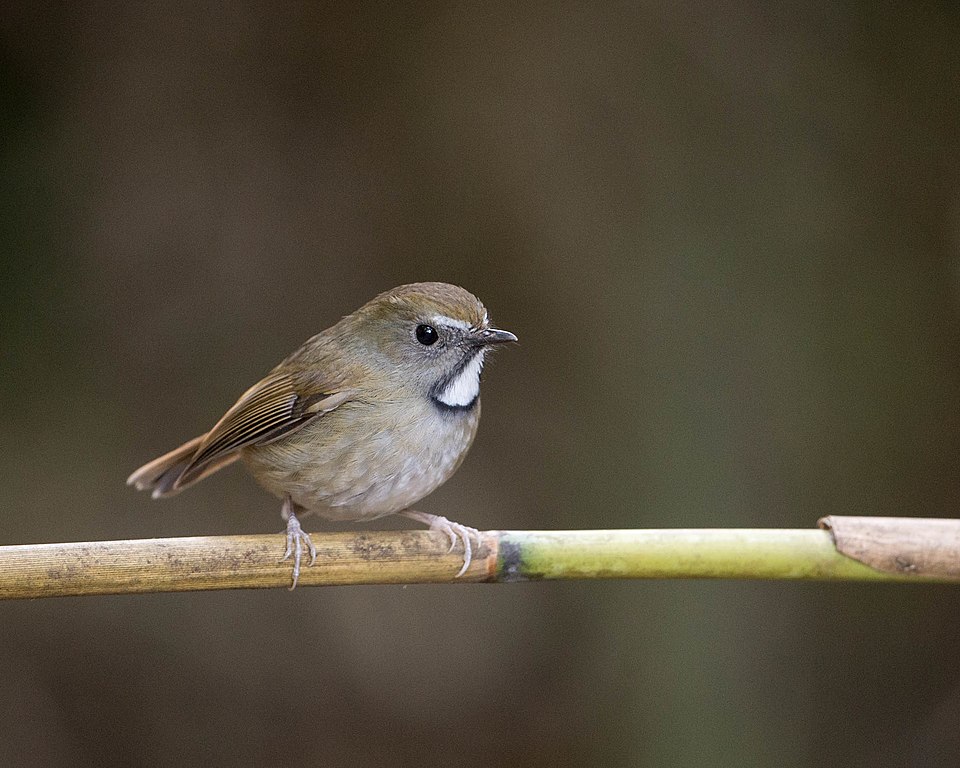
The White-starred Robin, scientifically known as Pogonocichla ruficapilla, is a striking member of the Muscicapidae family. This species, often found in the montane forests of eastern and southern Africa, thrives in the undergrowth where dense foliage provides ample cover. Known for its vibrant blue upperparts and stark white spot on the breast, the White-starred Robin is a quintessential forest songbird. It plays a vital role in the ecosystems it inhabits by controlling insect populations and dispersing seeds. In regions such as Tanzania's Usambara Mountains and Zimbabwe's Eastern Highlands, it contributes significantly to the biodiversity of montane ecosystems. During the breeding season, which typically coincides with the rainy months, its melodious song fills the forest, attracting mates and marking territories. The White-starred Robin’s ecological role extends beyond pest control; it also serves as a prey species for larger predators, thus maintaining the delicate balance of its habitat. Its presence in both well-preserved and fragmented forests highlights its adaptability, although it remains sensitive to extensive habitat destruction. With climate change and deforestation threatening its natural habitat, conservation efforts are crucial to ensure the survival of this and other forest-dependent avian species. The White-starred Robin's seasonal behaviors, including its breeding and foraging activities, are closely tied to the availability of resources within its habitat. As such, it serves as an indicator species for the health of montane forest ecosystems, making its study and conservation a priority for ornithologists and environmentalists alike.
The Pogonocichla ruficapilla belongs to the family Muscicapidae, within the order Passeriformes. These birds typically live average 4-7 years with a maximum recorded of 9 years..
How to Identify a Pogonocichla ruficapilla
The White-starred Robin is easily identifiable by its vivid blue upperparts, contrasted with a white spot prominently displayed on its breast. Adults exhibit a brighter blue plumage compared to juveniles, which are more subdued and possess a mottled appearance. Both sexes appear similar, although males might display slightly brighter coloration during the breeding season. The bird's underparts are a mix of gray and white, enhancing its distinctive look. Differentiating this species from similar birds, such as the Cape Robin-Chat, involves noting the absence of the orange breast typical in the latter. In flight, the White-starred Robin's silhouette is characterized by a medium wingspan and a slightly rounded tail. When perched, it often adopts an upright posture, scanning the surrounding foliage for insects. Its overall size is small, typically measuring about 14 centimeters in length, which aids in its nimble movements through dense forest undergrowth.
Having trouble telling birds apart? Upload a photo to our bird identification tool for an instant species match.
Pogonocichla ruficapilla Habitat and Range
Preferred Habitat
The White-starred Robin predominantly inhabits montane forests, thriving in dense undergrowth where moisture and vegetation abound. Its preferred habitats include the misty, lush forests found at elevations ranging from 900 to 3,000 meters. These birds are most commonly observed in regions such as the Eastern Arc Mountains of Tanzania and the highlands of Zimbabwe. While they favor primary forests, they can also survive in secondary growth areas, highlighting a degree of adaptability. Seasonal habitat shifts occur as they move to slightly lower elevations during colder months, following food availability. Urban presence is minimal, as they rely heavily on forest environments, which offer the necessary cover and food resources.
Geographic Range
The White-starred Robin's range spans several countries in eastern and southern Africa, including Tanzania, Kenya, Malawi, Zimbabwe, and Mozambique. These birds breed in the montane forests of these regions, with population density hotspots in the Eastern Arc Mountains and Eastern Highlands. While primarily resident, some local movement is observed, particularly as they adjust to seasonal changes in food supply. They do not undertake long migrations but may move altitudinally within their range to access more favorable conditions during different times of the year. The White-starred Robin's distribution is largely influenced by the availability of suitable montane forest habitats, making it a key species in these regions.
Want to know which birds visit your area? Browse our backyard birds by location guides for region-specific species lists.
What Does the Pogonocichla ruficapilla Eat?
The diet of the White-starred Robin is primarily insectivorous, consisting mostly of insects and other small invertebrates. They exhibit a preference for beetles, caterpillars, and spiders, which they glean from foliage or capture on the ground. Seasonal changes impact their diet, with an increased reliance on fruit during periods when insects are less abundant. Foraging techniques include hopping along the forest floor or making short flights to catch prey mid-air. Their feeding schedule is diurnal, with peak activity during the early morning and late afternoon when insect activity is highest. The size of prey varies, but they typically target small to medium-sized insects that can be easily managed and consumed.
Pogonocichla ruficapilla Behavior and Social Structure
The White-starred Robin exhibits a solitary and territorial nature, especially during the breeding season when males vigorously defend territories through song and display. Courtship involves males showcasing their plumage and engaging in a series of short flights and wing-flicking to attract females. Outside the breeding season, they may form loose flocks, particularly when foraging, to increase efficiency and protection from predators. Their daily activity patterns are diurnal, with increased activity during the cooler parts of the day. When faced with predators, they emit a series of sharp calls to alert others and take cover in dense undergrowth. These birds exhibit site fidelity, often returning to the same territories or nesting sites annually.
Pogonocichla ruficapilla Nesting and Reproduction
The nesting behavior of the White-starred Robin involves building cup-shaped nests using twigs, leaves, and moss, which are often well-concealed in dense foliage or low shrubs within their montane forest habitat. Preferred nest locations include forks of small trees or the bases of ferns. A typical clutch consists of two to three eggs, which are pale with specks of brown. Incubation lasts approximately 14 days, primarily undertaken by the female, although the male participates in feeding the chicks. The fledging period is about 16 to 18 days after hatching. Both parents share the responsibility of feeding and caring for the young. The White-starred Robin typically raises one to two broods per year, depending on environmental conditions and food availability.
Pogonocichla ruficapilla Sounds and Vocalizations
The primary song of the White-starred Robin is a melodious series of whistles and trills, often described as clear and flutelike, which carries through the dense forest. Their calls are softer and more conversational, used for communication between mates or signaling the presence of other birds. Alarm calls consist of sharp, repeated notes intended to warn of predators. During the dawn chorus, their song is particularly prominent, contributing to the symphony of sounds that define their montane forest habitats. The song is comparable to a clear, flowing stream, both in its rhythmic quality and its ability to fill the air with serene music.
Interesting Facts About the Pogonocichla ruficapilla
- 1The White-starred Robin is named for the distinct white spot on its breast, resembling a star against its blue plumage.
- 2It predominantly inhabits elevations between 900 and 3,000 meters, preferring the cooler, damp conditions of montane forests.
- 3The species exhibits site fidelity, often returning to the same nesting territory each breeding season.
- 4Despite its striking appearance, the White-starred Robin is adept at remaining concealed in dense undergrowth.
- 5Unlike many other robins, this species prefers solitary or paired life over forming large flocks.
- 6The White-starred Robin's song has been likened to the sound of a waterfall due to its clear, cascading notes.
- 7This species plays a crucial role in seed dispersal and insect population control within its montane forest habitat.
Pogonocichla ruficapilla Conservation Status
The White-starred Robin holds a status of Least Concern according to the IUCN Red List, with populations currently stable. However, primary threats include habitat destruction due to logging and agricultural expansion, which fragment their montane forest homes. Conservation efforts focus on preserving and restoring forest habitats, often through the establishment of protected areas and reserves. Historical data suggests that while populations have fluctuated, effective habitat management has mitigated drastic declines. Continued monitoring and conservation initiatives are essential to ensure this species remains a vibrant part of its ecosystem.
Other Muscicapidae Species


Birds Similar to the Pogonocichla ruficapilla
These species are often confused with the Pogonocichla ruficapilla due to similar appearance or overlapping range.
