
Sri Lanka Whistling-Thrush
Myophonus blighi
Order: Passeriformes / Family: Muscicapidae

Wikimedia Commons
About the Sri Lanka Whistling-Thrush
The Sri Lanka Whistling-Thrush (Myophonus blighi) is a captivating avian species endemic to the island of Sri Lanka. Renowned for its melodious and haunting song, this bird occupies a special niche within the island's montane forests. Its presence is primarily confined to the highland regions, such as Horton Plains, Peak Wilderness Sanctuary, and the forested areas surrounding Adam's Peak. These regions, characterized by dense undergrowth and the presence of abundant streams, provide the ideal habitat for this elusive thrush. The significance of the Sri Lanka Whistling-Thrush extends beyond its striking appearance and enchanting voice. It plays a vital ecological role as both a seed disperser and a predator of insects, contributing to the maintenance of the forest ecosystem. The thrush's diet includes a variety of invertebrates and small amphibians, which helps control pest populations and promotes plant diversity through seed dispersal. Seasonal behaviors of the Sri Lanka Whistling-Thrush include altitudinal movements in search of food and breeding grounds. During the breeding season, from March to May, the males engage in elaborate vocal displays to attract mates. These displays occur more frequently at dawn and dusk, when the forest is alive with the sounds of bird calls. The thrush's territorial nature becomes apparent during this period, as males fiercely defend their chosen nesting sites. Overall, the Sri Lanka Whistling-Thrush is not only an emblematic species of Sri Lanka's montane forests but also a key player in the ecological dynamics of these unique habitats.
The Sri Lanka Whistling-Thrush belongs to the family Muscicapidae, within the order Passeriformes. These birds typically live average 7 years, with a maximum recorded of 10 years..
How to Identify a Sri Lanka Whistling-Thrush
The Sri Lanka Whistling-Thrush is a medium-sized bird with a distinctive blue-black plumage. Adult males exhibit a deep blue sheen on their upperparts, contrasted by a darker blackish underbelly. Females have a slightly duller appearance, with more muted tones of blue and occasional brownish streaks on their wings and back. This sexual dimorphism aids in distinguishing the sexes during field observations. Juveniles can be identified by their more mottled and brownish appearance, gradually acquiring the adult coloration as they mature. In flight, the Sri Lanka Whistling-Thrush presents a compact silhouette, with broad wings and a relatively short tail. Its flight is usually quick and direct, often accompanied by a series of low whistles. When perched, the thrush maintains an upright posture, frequently flicking its tail. This behavior, combined with its distinctive coloration, makes it easier to spot against the verdant backdrop of its forest habitat. Despite its unique appearance, the Sri Lanka Whistling-Thrush may be confused with the Blue Magpie or the White-bellied Drongo in poor lighting conditions. However, its smaller size and distinct vocalizations set it apart from these species.
Having trouble telling birds apart? Upload a photo to our bird identification tool for an instant species match.
Sri Lanka Whistling-Thrush Habitat and Range
Preferred Habitat
The Sri Lanka Whistling-Thrush inhabits the montane forests of Sri Lanka, thriving at elevations ranging from 1,200 to 2,200 meters. These forests, found primarily in the Central Highlands, provide the dense undergrowth and moist conditions favored by the species. Within these habitats, the thrush often frequents areas near streams or water bodies, where it can forage efficiently. Seasonal habitat shifts occur, with some individuals moving to slightly lower elevations during the non-breeding season in search of food. In terms of urban versus rural presence, the Sri Lanka Whistling-Thrush is rarely seen in urban environments, preferring the secluded and pristine forested areas far from human habitation.
Geographic Range
The breeding range of the Sri Lanka Whistling-Thrush is highly restricted to the central highlands of Sri Lanka. It occupies a few key locations such as Horton Plains National Park, Sinharaja Forest Reserve, and the Knuckles Mountain Range. The species does not undertake long-distance migrations, instead exhibiting altitudinal movements within its limited range. This endemism makes the Sri Lanka Whistling-Thrush particularly vulnerable to habitat disturbance. Population density hotspots are found in well-preserved forest patches where human intrusion is minimal. Despite its restricted range, the species is a year-round resident of Sri Lanka, with no recorded presence outside the island.
Want to know which birds visit your area? Browse our backyard birds by location guides for region-specific species lists.
What Does the Sri Lanka Whistling-Thrush Eat?
The Sri Lanka Whistling-Thrush primarily feeds on a diet rich in invertebrates, including insects, spiders, and worms. During the rainy season, when food is abundant, the thrush supplements its diet with small amphibians and occasionally fruits. Foraging techniques include ground hunting, where the bird actively searches through leaf litter and undergrowth for prey. The thrush uses its strong beak to overturn leaves and probe the soil. Prey items are typically small, measuring less than 2 centimeters. The feeding schedule is diurnal, with peak activity occurring during the early morning and late afternoon. Seasonal diet changes are minimal, although there is a noted increase in insect consumption during the breeding season to meet the higher nutritional demands.
Sri Lanka Whistling-Thrush Behavior and Social Structure
The social structure of the Sri Lanka Whistling-Thrush is primarily solitary, with individuals maintaining distinct territories, especially during the breeding season. Territorial behavior is pronounced, with males engaging in vocal displays to deter intruders and attract females. Courtship displays involve elaborate songs and physical displays, such as wing flicking and tail fanning. The species does not form flocks, instead preferring to live singly or in pairs. In response to predators, the thrush relies on its cryptic coloration and dense habitat for concealment. When threatened, it may freeze, becoming immobile until the danger passes. Daily activity patterns are largely influenced by the availability of food, with birds being most active during cooler parts of the day.
Sri Lanka Whistling-Thrush Nesting and Reproduction
The Sri Lanka Whistling-Thrush constructs its nest using moss, leaves, and twigs, typically choosing concealed locations near streams or within dense vegetation. Nests are cup-shaped and well-camouflaged, offering protection from predators. The typical clutch size ranges from two to three eggs. Incubation lasts approximately 14 to 16 days, primarily performed by the female, while the male defends the territory and provides food. Post-hatching, the fledging period extends for about 15 days, during which both parents contribute to feeding and protecting the young. The species usually raises one brood per year, although favorable conditions may lead to a second.
Sri Lanka Whistling-Thrush Sounds and Vocalizations
The primary song of the Sri Lanka Whistling-Thrush is a series of clear, melodious whistles, characterized by a rhythmic pattern and varying pitch. The song is often described as haunting and can carry over long distances, especially at dawn and dusk. Call notes include sharp, single whistles used for communication between mates or signaling alarm. Alarm calls are more abrupt and harsher in tone, serving as an alert to potential threats. The dawn chorus features prominently in the thrush's vocal behavior, with males establishing their presence through persistent singing.
Interesting Facts About the Sri Lanka Whistling-Thrush
- 1The Sri Lanka Whistling-Thrush is one of only 33 bird species endemic to Sri Lanka, highlighting its unique evolutionary path.
- 2Despite its melodious song, spotting the Sri Lanka Whistling-Thrush is a challenge due to its shy nature and dense habitat.
- 3The species' presence in Horton Plains National Park contributes to the park's designation as a UNESCO World Heritage Site.
- 4The thrush's song can be heard up to a mile away, often serving as a natural alarm clock for early-rising hikers in its habitat.
- 5The Sri Lanka Whistling-Thrush plays a crucial role in controlling insect populations, particularly during its breeding season.
Sri Lanka Whistling-Thrush Conservation Status
The IUCN currently lists the Sri Lanka Whistling-Thrush as Vulnerable, with a decreasing population trend. Habitat loss due to deforestation and land conversion poses the primary threat to this species. Conservation efforts focus on habitat preservation and the establishment of protected areas within its range. Historical population changes indicate a decline in numbers, driven by habitat fragmentation. Continued conservation initiatives are crucial to mitigate these threats and ensure the survival of this endemic species.
Other Muscicapidae Species
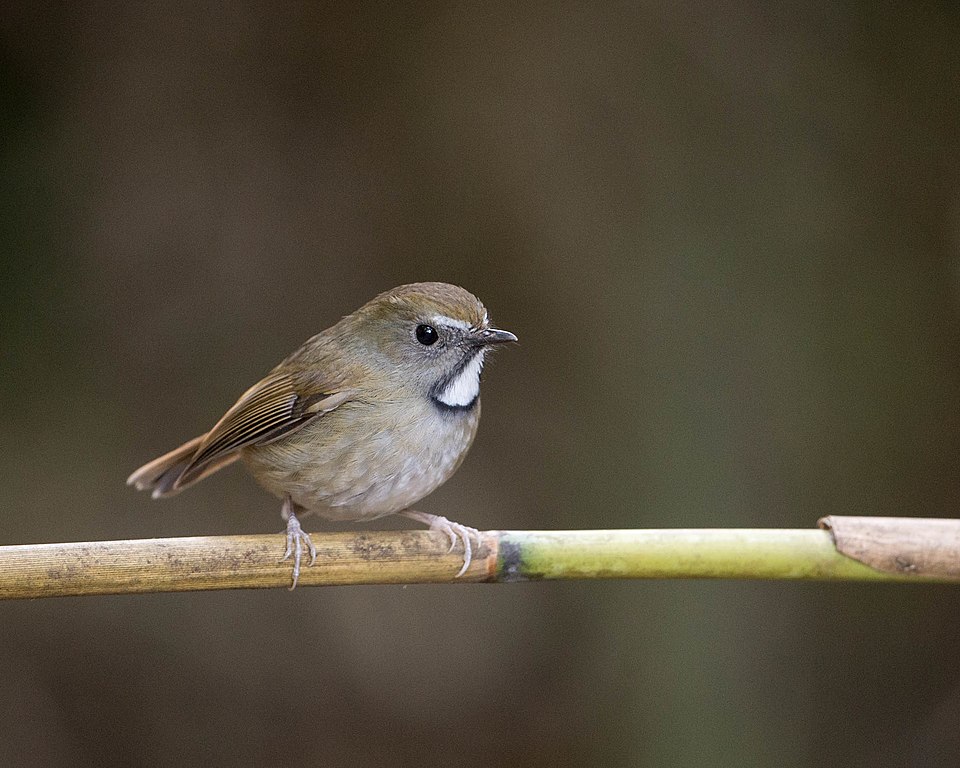


Birds Similar to the Sri Lanka Whistling-Thrush
These species are often confused with the Sri Lanka Whistling-Thrush due to similar appearance or overlapping range.
