
Sunda Blue Flycatcher
Cyornis caerulatus
Order: Passeriformes / Family: Muscicapidae

Wikimedia Commons
About the Sunda Blue Flycatcher
The Sunda Blue Flycatcher (Cyornis caerulatus) is a fascinating avian species belonging to the family Muscicapidae. This small bird, with its vivid blue coloration, is native to the lush tropical forests of Southeast Asia, particularly found in regions like Sumatra, Borneo, and Java. The species thrives in lowland and montane forests, showcasing a preference for dense, humid environments where it can find ample food and shelter. Known for its active foraging behavior, the Sunda Blue Flycatcher plays a crucial ecological role by controlling insect populations. It often captures its prey mid-air or gleans them from foliage, thus impacting the forest's health and reducing pest proliferation. These birds are a significant part of their ecosystem, as they help maintain a balanced food web. During the breeding season, which aligns with the wet season in many of its habitats, the Sunda Blue Flycatcher engages in courtship displays that highlight its agility and vibrant plumage. These displays often involve fluttering flights and melodic songs that resonate through the forest canopy. As a tropical species, the Sunda Blue Flycatcher does not migrate extensively, maintaining a relatively stable presence within its home range throughout the year. However, slight altitudinal movements may occur in response to food availability and climatic conditions. Understanding the behavior and habitat requirements of the Sunda Blue Flycatcher is essential for biodiversity conservation efforts in Southeast Asia's rich but threatened forest ecosystems.
The Sunda Blue Flycatcher belongs to the family Muscicapidae, within the order Passeriformes. These birds typically live average 3-5 years, with some individuals living up to 7 years..
How to Identify a Sunda Blue Flycatcher
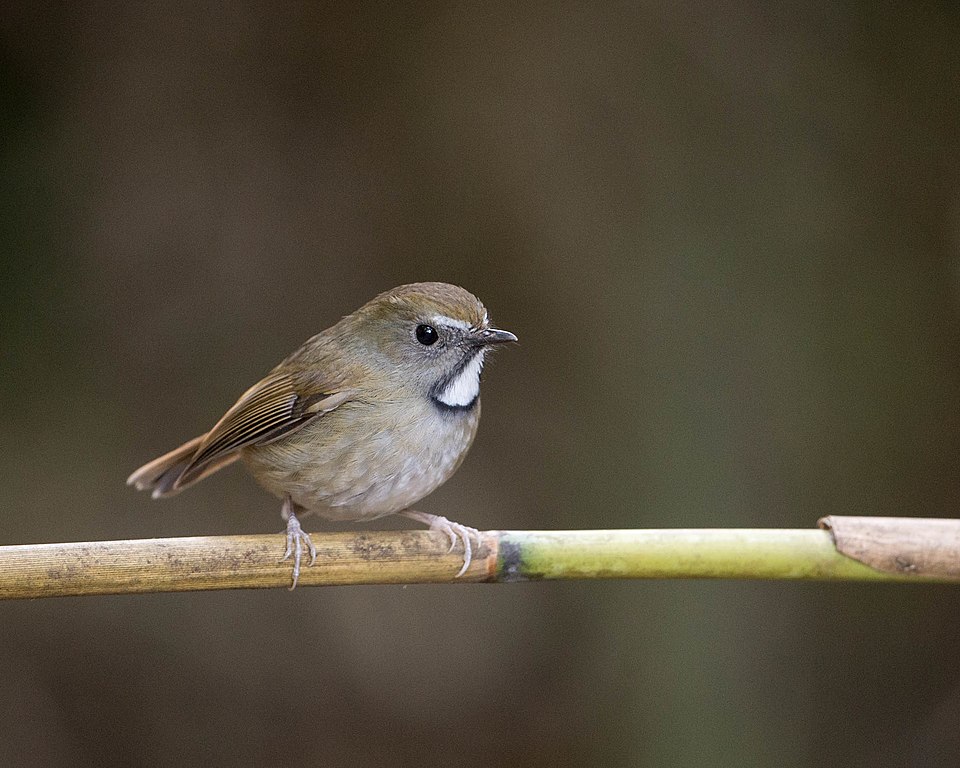
The adult Sunda Blue Flycatcher exhibits a striking cobalt blue plumage on its upperparts, which contrasts sharply with its pale underbelly. Males display a more vivid blue than females, whose coloration may appear slightly duller. Juvenile birds often have a more muted brownish-blue tone, lacking the full intensity of adult plumage. When observing these birds, one can note their small size, approximately 13 to 14 centimeters in length, and their relatively long tail, which they frequently flick while perched. The flight silhouette of the Sunda Blue Flycatcher is characterized by rapid, agile movements, a trait that aids in its insectivorous diet. Its posture while perched is upright, often seen sitting on a low branch or vine, ready to sally forth for a passing insect. Confusion with other sympatric flycatchers is possible, but the Sunda Blue Flycatcher's unique combination of color and behavior generally aids in accurate identification. Its sharp, clear calls also serve as an identifying trait, helping birders distinguish it from other similarly sized and colored species.
Having trouble telling birds apart? Upload a photo to our bird identification tool for an instant species match.
Sunda Blue Flycatcher Habitat and Range
Preferred Habitat
The Sunda Blue Flycatcher primarily inhabits tropical and subtropical moist lowland forests. It is commonly found in primary and secondary forests, as well as in montane regions up to elevations of about 1,500 meters. The bird favors dense undergrowth and forest edges where it can effectively hunt for insects. While it prefers natural forest settings, it can occasionally be found in plantation areas or gardens with sufficient tree cover. Seasonal habitat shifts are minimal due to its non-migratory nature, though it may move to higher elevations during particularly warm periods. The presence of the Sunda Blue Flycatcher in more urbanized areas is rare, as it tends to avoid heavily disturbed landscapes.
Geographic Range
The Sunda Blue Flycatcher is endemic to Southeast Asia, with its range encompassing the islands of Sumatra, Borneo, and Java within Indonesia and Malaysia. It does not engage in long-distance migrations but remains within its habitat range year-round. Populations are primarily concentrated in the lowland tropical forests of these islands, where conditions are most favorable for its survival. While the species is not considered migratory, some localized movements might occur in response to environmental changes, such as food shortages or habitat disturbances. Despite its limited range, the Sunda Blue Flycatcher can be fairly common in suitable habitats, though local population densities can vary significantly based on habitat quality and human impact.
Want to know which birds visit your area? Browse our backyard birds by location guides for region-specific species lists.
What Does the Sunda Blue Flycatcher Eat?
The diet of the Sunda Blue Flycatcher mainly consists of small insects and arthropods, which it captures through active foraging techniques. These birds typically employ a sallying flight to snatch insects in mid-air or glean them from leaves and branches. During the wet season, when insect activity is high, the flycatcher's diet is particularly rich in flying insects such as flies, beetles, and moths. In drier periods, it may also consume spiders and other non-flying invertebrates. The bird's small size allows it to target tiny prey, typically less than 10 millimeters in length. Feeding generally occurs throughout the day, with peaks in activity during the cooler morning and late afternoon hours when insect availability is optimal.
Sunda Blue Flycatcher Behavior and Social Structure
Sunda Blue Flycatchers exhibit solitary or loosely paired behavior, especially during the breeding season. Males are territorial and often engage in vocalizations to assert dominance and attract mates. Courtship displays include a combination of song and flight maneuvers, showcasing the males' vibrant plumage and agility. While not highly social, these birds sometimes form small mixed-species foraging flocks, particularly outside the breeding season, to increase foraging efficiency and reduce predation risk. The species typically displays diurnal activity patterns, with peaks in foraging and vocalization occurring during the early morning and late afternoon. When threatened by predators, the Sunda Blue Flycatcher relies on rapid flight and dense foliage for cover, often using alarm calls to warn nearby birds.
Sunda Blue Flycatcher Nesting and Reproduction
The Sunda Blue Flycatcher builds a cup-shaped nest usually composed of fine grasses, moss, and spider webs, which provide both structure and camouflage. Nests are typically located in the fork of a tree branch, often at heights ranging from 1 to 5 meters above the ground. The female usually lays a clutch of 2 to 3 eggs, which she primarily incubates for about 12 to 15 days. During this period, the male assists by providing food and engaging in territorial defense. After hatching, the chicks remain in the nest for another 14 to 16 days before fledging. Both parents share the responsibility of feeding the nestlings. The species generally raises one to two broods per year, depending on environmental conditions and food availability.
Sunda Blue Flycatcher Sounds and Vocalizations
The primary song of the Sunda Blue Flycatcher is a melodious series of clear, high-pitched whistles, often rendered as 'tsee-tsee-tsee.' This song is typically delivered from a prominent perch and serves both territorial and courtship functions. Call notes are sharp and brief, used for communication between mates or to indicate alarm. During the dawn chorus, males become particularly vocal, their songs weaving through the forest canopy as they establish dominance and attract females. The bird's vocalizations, while not as elaborate as some other songbirds, are distinctive, helping to identify it within its dense forest habitat.
Interesting Facts About the Sunda Blue Flycatcher
- 1The Sunda Blue Flycatcher is one of over 50 species within its genus, highlighting the diversity of flycatchers in Southeast Asia.
- 2Despite its small size, this bird is a dynamic predator, capable of catching insects on the wing with remarkable agility.
- 3The species' striking blue plumage is due to the microscopic structure of its feathers, which reflect blue wavelengths of light.
- 4Sunda Blue Flycatchers are known to occasionally join mixed-species flocks, benefiting from the safety and foraging opportunities these groups provide.
- 5Studies have shown that the density of Sunda Blue Flycatchers can serve as an indicator of forest health, given their reliance on intact habitats.
- 6In traditional folklore, the striking coloration of the Sunda Blue Flycatcher is often associated with good fortune and happiness.
- 7The Sunda Blue Flycatcher is primarily insectivorous, but during food shortages, it may also consume small fruits and berries.
Sunda Blue Flycatcher Conservation Status
Currently, the IUCN lists the Sunda Blue Flycatcher as Near Threatened, with its population trend showing a gradual decline. The primary threat to this species is habitat loss due to deforestation and land conversion for agriculture and urban development. Conservation efforts focus on protecting remaining forest habitats and establishing reserves in key areas of its range. Historical data indicates that the species was once more widespread, but increasing human encroachment has fragmented its habitat. Continued conservation actions are essential to prevent further declines and ensure the long-term survival of this vibrant forest dweller.
Other Muscicapidae Species


Birds Similar to the Sunda Blue Flycatcher
These species are often confused with the Sunda Blue Flycatcher due to similar appearance or overlapping range.

