
Usambara Akalat
Sheppardia montana
Order: Passeriformes / Family: Muscicapidae

Wikimedia Commons
About the Usambara Akalat
The Usambara Akalat, scientifically known as Sheppardia montana, is a captivating species of songbird endemic to the montane forests of Tanzania. This elusive bird predominantly inhabits the eastern arc mountains, especially the Usambara and Uluguru ranges, which are part of the Eastern Arc Mountains biodiversity hotspot. These regions, rich in endemic species, provide the dense understory and humid environment necessary for the Akalat's survival.
Characterized by its rich rufous plumage, the Usambara Akalat plays a significant role in the ecological health of its habitat. As an insectivore, it helps control insect populations, maintaining a balanced ecosystem. The bird's presence indicates a healthy forest, as it thrives in undisturbed and mature forest habitats. The Usambara Akalat is a resident species, showing little to no migratory behavior, which ties its life cycle closely to the seasonal rhythms of its forest home.
The Usambara Akalat's ecological role extends beyond its diet. By foraging on the forest floor, it aids in seed dispersal and the aeration of soil. Its breeding activities contribute to the propagation of forest vegetation, and its foraging behavior can influence insect populations and forest floor decomposition rates. This bird's presence in a forest can signal a well-functioning ecosystem, highlighting its importance in conservation efforts within its limited range.
The Usambara Akalat belongs to the family Muscicapidae, within the order Passeriformes. These birds typically live typically 5-7 years, with the longest recorded at 9 years..
How to Identify a Usambara Akalat
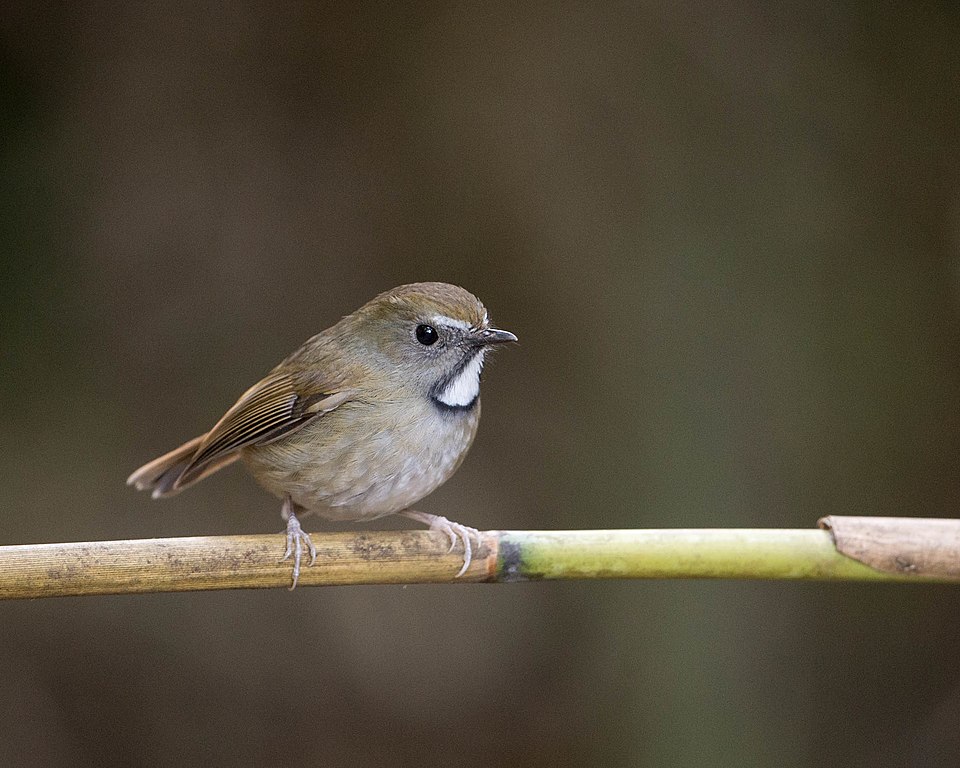
The Usambara Akalat stands out with its vibrant rufous upperparts and a distinctive olive-brown crown. Its underparts are paler, often displaying a creamy white on the belly and a slightly more buffy wash on the flanks. Both sexes appear similar, which can complicate sex identification in the field. Juveniles, however, exhibit a more muted coloration with streaked upperparts, distinguishing them from adults. Observers can identify juveniles by their less defined markings and their overall duller appearance.
In terms of size, the Usambara Akalat is a small bird, measuring about 13 cm in length. Its round body, relatively short wings, and long legs are adapted for life in thick undergrowth, where it spends much of its time. Its flight is typically low and direct, with rapid wing beats, aligning with its preference for dense forest areas. When perched, the bird often sits upright, a posture that accentuates its small stature and compact form.
The Usambara Akalat can sometimes be confused with other akalat species; however, its unique combination of rufous and olive-brown hues, along with its specific regional presence, aids in distinguishing it from similar birds. Its subtle song, a series of soft, melodic whistles, further aids identification for skilled birders familiar with the acoustic landscape of the Tanzanian forests.
Having trouble telling birds apart? Upload a photo to our bird identification tool for an instant species match.
Usambara Akalat Habitat and Range
Preferred Habitat
The Usambara Akalat thrives in montane forest habitats, predominantly found in the Eastern Arc Mountains of Tanzania. These areas, characterized by high humidity and dense undergrowth, offer the ideal conditions for the Akalat's foraging and nesting needs. It prefers altitudes ranging from 1,000 to 2,300 meters, where the forest canopy provides a protective cover.
This species shows a marked preference for undisturbed, mature forests with a rich understory. Here, the bird finds ample food sources and suitable nesting sites. While primarily a forest dweller, the Usambara Akalat occasionally ventures into secondary growth areas, particularly those adjacent to primary forests.
Unlike many bird species, the Usambara Akalat does not exhibit significant seasonal habitat shifts, maintaining a consistent presence within its restricted range throughout the year. Its reliance on pristine forest environments underscores the importance of habitat conservation for its continued survival.
Geographic Range
The Usambara Akalat is endemic to the Eastern Arc Mountains of Tanzania, with its range primarily confined to the Usambara and Uluguru mountain ranges. These areas form part of a larger biogeographic region known for high levels of biodiversity and endemism. Within this limited range, the bird exhibits a preference for specific forest patches, where it maintains a stable, though restricted, population.
Due to its confined distribution, the Usambara Akalat does not engage in migratory behavior. Its presence is largely restricted to the montane forests it calls home, and it does not venture far from these environments. Population density tends to be higher in well-preserved forest areas, where the bird finds optimal conditions for feeding and breeding.
Conservation efforts are crucial for the Usambara Akalat, as its limited range makes it vulnerable to habitat loss and environmental changes. Protecting the forested areas within its range is essential to ensure the continued survival of this unique bird species.
Want to know which birds visit your area? Browse our backyard birds by location guides for region-specific species lists.
What Does the Usambara Akalat Eat?
The Usambara Akalat primarily feeds on a variety of insects and other small invertebrates, which it hunts for on the forest floor. Its diet includes beetles, ants, spiders, and caterpillars, which provide essential protein and nutrients. During the breeding season, the bird may increase its intake of these protein-rich foods to support the high energy demands of raising young.
The Akalat employs a foraging technique known as 'gleaning', where it picks off insects from leaves and branches, as well as from the ground. It often forages alone or in pairs, carefully inspecting the leaf litter and low vegetation for hidden prey. This methodical approach allows it to efficiently exploit the insect-rich environment of the montane forests.
While insects form the core of its diet, the Usambara Akalat may occasionally consume small fruits or seeds, especially when insect availability is low. This dietary flexibility helps it to adapt to seasonal changes in food supply, although it remains heavily reliant on a healthy insect population for its primary nutritional needs.
Usambara Akalat Behavior and Social Structure
The Usambara Akalat exhibits predominantly solitary behavior, often seen alone or in pairs as it forages near the forest floor. It maintains a defined territory, which it defends against intruders with subtle displays and vocalizations. During the breeding season, territorial behavior intensifies, with pairs becoming more conspicuous as they engage in courtship activities.
Courtship displays involve a series of calls and postures, with males often singing from low perches to attract females. These displays are essential for pair bonding and territory establishment. Once paired, the birds collaborate closely in nest building and raising young, exhibiting a strong pair bond.
The Akalat's daily activity pattern is diurnal, with peak foraging occurring in the early morning and late afternoon. Its response to predators typically involves staying low to the ground and relying on the dense forest cover for protection. Alarm calls are subtle, designed to alert nearby mates without drawing undue attention. The bird's behavior reflects its adaptation to the forest environment, relying on stealth and camouflage to navigate the challenges of its habitat.
Usambara Akalat Nesting and Reproduction
The Usambara Akalat constructs its nest in a well-concealed location, often in a hollow in a tree trunk or among dense vegetation. The nest is cup-shaped, crafted from twigs, leaves, and moss, providing camouflage and insulation. This choice of nesting site helps protect against predators and environmental elements.
A typical clutch consists of 2-3 eggs, which are incubated primarily by the female. The incubation period lasts about 14-16 days, during which the male may assist by providing food and guarding the nest. Once hatched, the chicks are fed by both parents, who diligently ensure a steady supply of insects and other small prey.
Fledging occurs around 14-16 days after hatching, with young birds remaining close to the nest as they develop flight skills and foraging independence. The Usambara Akalat typically raises one brood per year, with the breeding season closely aligned with periods of optimal food availability in the forest.
Usambara Akalat Sounds and Vocalizations
The Usambara Akalat's song is a series of soft, melodious whistles, often described as a gentle, flute-like sound. These songs are typically delivered from low perches within the forest, serving both as a territorial marker and a courtship display. The bird's call notes are subtle, consisting of short, subdued chirps that blend into the forest soundscape.
Alarm calls are more urgent, though still relatively quiet compared to those of more vocal species. These serve to warn nearby mates of potential threats without attracting the attention of predators. Dawn chorus participation involves the Akalat joining the symphony of forest birds, contributing its distinctive song to the morning air.
The Usambara Akalat's vocalizations are integral to its social interactions and territorial maintenance, reflecting its adaptation to the acoustics of its dense forest environment.
Interesting Facts About the Usambara Akalat
- 1The Usambara Akalat is one of only a few bird species entirely restricted to the Eastern Arc Mountains, showcasing its unique evolutionary path.
- 2Despite being small, the Usambara Akalat plays a big role in pest control, consuming a variety of insects that could otherwise harm forest flora.
- 3The Eastern Arc Mountains, home to the Usambara Akalat, are considered one of the world's top 25 biodiversity hotspots, making the Akalat's conservation critical.
- 4The Usambara Akalat's rufous plumage provides excellent camouflage among the leaf litter and undergrowth of its forest habitat.
- 5This species' song is often compared to the delicate sound of a flute, adding a melodious note to the dense forest environment.
- 6The Usambara Akalat's diet flexibility, including occasional fruit consumption, allows it to adapt to varying food availability in its habitat.
- 7In Tanzanian folklore, the Usambara Akalat is often associated with forest spirits, reflecting its deep connection to the indigenous ecosystems.
Usambara Akalat Conservation Status
The Usambara Akalat is currently classified as Vulnerable by the IUCN, with its population trend showing signs of decline. The primary threat to this species is habitat loss due to deforestation and land conversion for agriculture, which reduce the availability of suitable forest habitats. Conservation efforts focus on preserving the remaining montane forests within its range, with initiatives aimed at habitat restoration and protection. Local and international conservation organizations are involved in these efforts, working to mitigate the impact of human activities on the Eastern Arc Mountains. Historically, the Usambara Akalat's population was more stable, but ongoing habitat degradation poses a significant challenge. Continued conservation actions are necessary to ensure the survival of this species, highlighting the importance of sustainable land management practices in Tanzania.
Other Muscicapidae Species


Birds Similar to the Usambara Akalat
These species are often confused with the Usambara Akalat due to similar appearance or overlapping range.
