
Daurian Redstart
Phoenicurus auroreus
Order: Passeriformes / Family: Muscicapidae

Wikimedia Commons
About the Daurian Redstart
The Daurian Redstart, Phoenicurus auroreus, is a captivating bird belonging to the Muscicapidae family. This small passerine, averaging around 15 cm in length, is particularly noted for its bright coloration and lively demeanor. Predominantly distributed across East Asia, the Daurian Redstart occupies diverse habitats ranging from deciduous forests to urban gardens. It is especially prevalent in countries like China, Japan, and Korea, where it plays a vital role in local ecosystems by controlling insect populations. During the breeding season, the male Daurian Redstart exhibits a vibrant plumage of orange and black, which serves both to attract females and to deter rival males. The female, while more subdued in coloration, is equally important in nurturing the next generation.
This species has an intriguing ecological role, acting as both predator and prey. By consuming a variety of insects, the Daurian Redstart helps maintain a balanced ecosystem. Additionally, its presence in urban areas signifies the bird's adaptability to changing environments, an important trait given rapid urbanization in many parts of its range. During the winter months, the Daurian Redstart migrates to milder climates, often moving to southern China and parts of Southeast Asia. This seasonal migration reflects its need for consistent food sources and favorable weather conditions.
Culturally, the Daurian Redstart holds significance in various East Asian traditions and is often celebrated for its striking appearance and melodious song. The bird's presence in gardens and parks not only enriches the visual and auditory landscape but also contributes to biodiversity. Observing the Daurian Redstart can provide insights into the health of an ecosystem, serving as an indicator species for researchers and conservationists.
The Daurian Redstart belongs to the family Muscicapidae, within the order Passeriformes. These birds typically live typically 5-7 years, with some individuals reaching up to 9 years..
How to Identify a Daurian Redstart
The Daurian Redstart is a small, energetic songbird easily identifiable by its vibrant orange and black plumage. Adult males showcase a striking contrast, with a black face, throat, and upper back, sharply set against the bright orange of the lower back, rump, and flanks. The wings are black with a distinctive white patch, making it recognizable even at a distance. Females, while less conspicuous, exhibit a more muted palette of grayish-brown with orange underparts and a hint of the characteristic white wing patch. Juvenile birds resemble females but often appear even duller and more uniformly brown.
In flight, the Daurian Redstart displays a quick, fluttering style, frequently flicking its tail, which reveals bright orange tail feathers edged with black. This tail flicking is a signature behavior that aids in identification. The bird’s perching posture is upright, often on exposed branches or wires, from where it can launch quickly to catch insects. Although similar in size and shape to other redstarts, such as the Black Redstart, the Daurian Redstart's distinctive coloration and behavior help prevent confusion in overlapping territories.
Having trouble telling birds apart? Upload a photo to our bird identification tool for an instant species match.
Daurian Redstart Habitat and Range
Preferred Habitat
The Daurian Redstart frequents a variety of habitats, including deciduous forests, open woodlands, scrublands, and urban areas. It often prefers regions with scattered trees and open spaces, favoring lower to mid elevations. During the breeding season, it inhabits forest edges and clearings, while in winter, it is commonly found in gardens, parks, and agricultural fields. These birds are highly adaptable, thriving in both rural and urban settings, showcasing their ability to exploit diverse environments. Seasonal habitat shifts occur as the Daurian Redstart migrates, with birds moving to milder, more southerly regions during colder months.
Geographic Range
The Daurian Redstart's breeding range extends across northeastern China, Mongolia, Korea, and parts of Russia. In winter, it migrates to southern China, Taiwan, Japan, and parts of Southeast Asia, including Vietnam and Thailand. Migration routes typically follow major river valleys and coastal lines, with population densities peaking in areas with abundant food and shelter. Some individuals are resident in milder parts of their range, but most undertake regular seasonal migrations. Hotspots for observing this species include Beijing, Shanghai, and the southern Japanese islands.
Want to know which birds visit your area? Browse our backyard birds by location guides for region-specific species lists.
What Does the Daurian Redstart Eat?
Primarily insectivorous, the Daurian Redstart feeds on a wide range of insects, including beetles, caterpillars, and ants. During breeding season, it hunts by sallying from perches to catch prey mid-air or by foraging on the ground. In winter, the diet expands to include berries and seeds, reflecting seasonal availability. The bird's foraging technique is agile and opportunistic, often seen flicking its tail and wings as it hunts. Prey size varies but typically includes small to medium-sized insects, allowing the bird to sustain its energetic lifestyle.
Daurian Redstart Behavior and Social Structure
The Daurian Redstart exhibits a variety of social behaviors, often seen alone or in pairs during the breeding season. Males are territorial, defending their domain with song and aggressive displays against intruders. Courtship involves elaborate displays, with males showcasing their plumage and performing aerial maneuvers to attract females. In winter, they may form loose flocks, especially when food is abundant. The species is diurnal, with peak activity in the early morning and late afternoon. Despite their size, Daurian Redstarts are bold in the presence of predators, using alarm calls and distraction techniques to protect their young.
Daurian Redstart Nesting and Reproduction
Daurian Redstarts construct cup-shaped nests using twigs, grass, and moss, often lining them with feathers and soft materials. Nests are typically located in tree cavities, rock crevices, or occasionally in man-made structures like eaves. The clutch size ranges from 3 to 6 eggs, with both parents sharing incubation duties over a period of about two weeks. After hatching, the chicks fledge approximately 14 days later. The species often raises two broods per year, depending on environmental conditions and food availability.
Daurian Redstart Sounds and Vocalizations
The Daurian Redstart's song is a series of melodious, varied notes that can be both sweet and sharp. Typical calls include a soft 'tseep' and a more insistent 'chack' used as an alarm. During the dawn chorus, males sing vigorously to establish territory and attract mates, often perching prominently to broadcast their song. The quality of the song is clear and resonant, akin to the notes of a flute, providing a distinctive soundtrack to their habitat.
Interesting Facts About the Daurian Redstart
- 1The Daurian Redstart is known to flick its tail frequently, a behavior thought to startle insects into movement, making them easier to catch.
- 2During migration, some Daurian Redstarts travel over 2000 km from their breeding to wintering grounds.
- 3Despite their small size, Daurian Redstarts are known to aggressively defend their territories from intruders.
- 4The species can adapt to urban environments, often nesting in structures like eaves and abandoned buildings.
- 5Daurian Redstarts are early risers, often the first to sing in the morning, marking their territory with song.
- 6In Japan, the Daurian Redstart is often associated with the arrival of autumn due to its migratory patterns.
- 7The bird's name, 'Redstart,' derives from the Old English 'stert,' meaning tail, referring to its prominent red tail feathers.
Daurian Redstart Conservation Status
The Daurian Redstart is currently listed as Least Concern by the IUCN, with stable population trends observed across its range. However, habitat loss due to urbanization and deforestation poses potential threats. Conservation efforts focus on preserving natural habitats and ensuring sustainable urban planning. Historically, the population has remained robust, demonstrating resilience to environmental changes. Continued monitoring is essential to detect any adverse trends early.
Other Muscicapidae Species
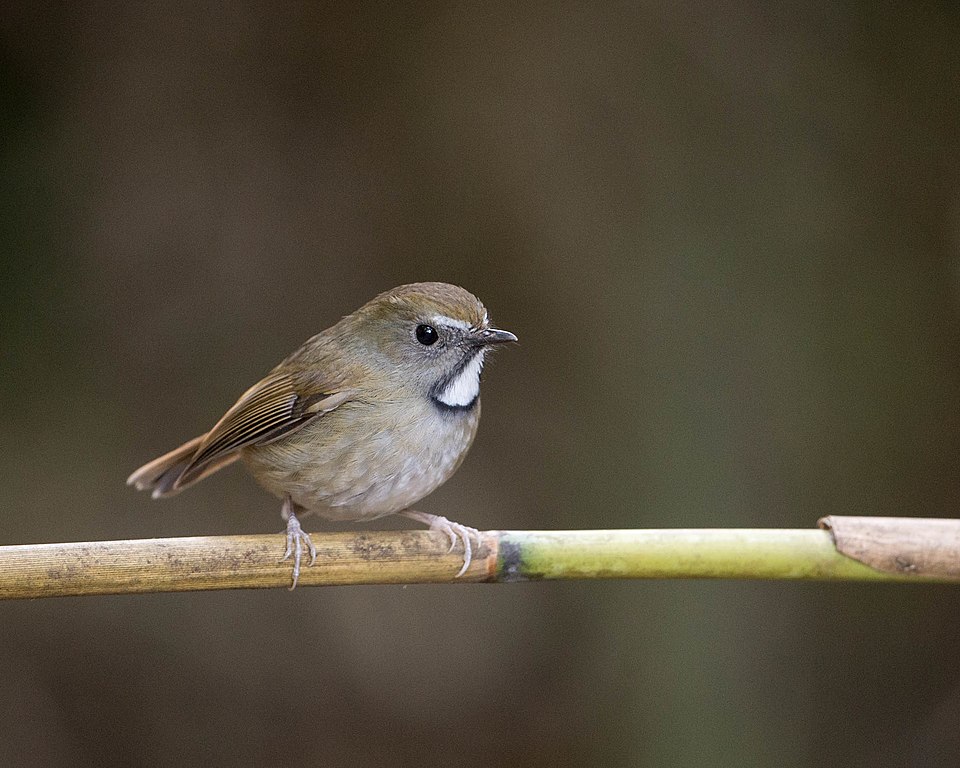


Birds Similar to the Daurian Redstart
These species are often confused with the Daurian Redstart due to similar appearance or overlapping range.

