
Muscicapa yetapa
Muscicapa yetapa
Order: Passeriformes / Family: Muscicapidae

Wikimedia Commons
About the Muscicapa yetapa
Muscicapa yetapa, commonly known as the Gray Flycatcher, is a fascinating member of the Muscicapidae family. These small passerines hold a significant role in their ecosystems, primarily due to their insectivorous diet. Found predominantly in subtropical and tropical regions, the Gray Flycatcher flourishes in dense woodland habitats. Throughout the year, these birds exhibit a range of behaviors adapted to their environments.
In terms of ecological significance, the Gray Flycatcher contributes to controlling insect populations. This role is crucial in maintaining the balance within their habitats, as they help regulate the number of pests that could otherwise damage plant life. Their presence also indicates healthy, biodiverse ecosystems.
The bird's range extends across various parts of Southeast Asia, including countries such as Indonesia, Malaysia, and Thailand. This distribution allows them to inhabit diverse ecosystems, from lowland rainforests to mountainous regions. Seasonal movements of the Gray Flycatcher are influenced by changes in food availability and climatic conditions. During the breeding season, they often migrate to higher elevations where they find abundant food resources and suitable nesting sites.
The Gray Flycatcher is not only a vital part of the ecosystem but also an indicator of environmental health. Observing their population trends can provide crucial insights into ecological changes and potential threats to biodiversity. Their adaptability to different habitats and their role as insect regulators make them an essential species for study and conservation.
The Muscicapa yetapa belongs to the family Muscicapidae, within the order Passeriformes. These birds typically live average 3-5 years with a maximum recorded of 6 years.
How to Identify a Muscicapa yetapa
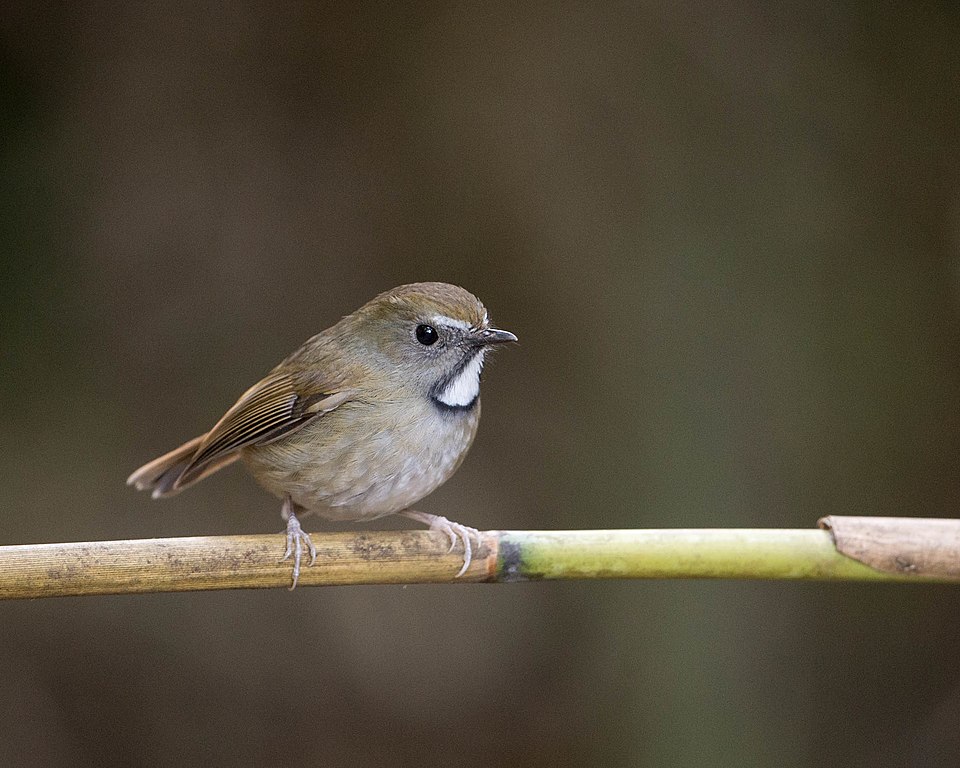
The adult Muscicapa yetapa, or Gray Flycatcher, features predominantly gray plumage, which can sometimes appear slightly brownish depending on the light. This bird typically measures around 12-15 cm in length, making it a small songbird. Its wings are relatively short and pointed, aiding in its agile flight, essential for catching insects mid-air.
In terms of sexual dimorphism, males and females appear similar, both exhibiting the characteristic gray coloring. However, juveniles can be distinguished by their slightly duller plumage and a more pronounced buffy wash on their wing feathers. Unlike adults, juveniles may have faint streaks on their underparts, which they lose as they mature.
When it comes to similar species, the Gray Flycatcher can be confused with other Muscicapa species. However, its distinct call and behavior, along with its specific habitat preferences, aid in accurate identification. In flight, the bird's swift, darting movements are a key field mark, while its perching posture is often upright, with a slightly cocked tail.
Having trouble telling birds apart? Upload a photo to our bird identification tool for an instant species match.
Muscicapa yetapa Habitat and Range
Preferred Habitat
Muscicapa yetapa thrives in a range of habitats, primarily favoring dense woodlands and forest edges. These birds are commonly found in lowland tropical rainforests, which provide abundant insect prey and suitable nesting sites. They can also inhabit montane forests, reaching elevations up to 1500 meters.
Seasonal shifts in habitat preference occur, with the Gray Flycatcher moving to slightly higher altitudes during the breeding season. These movements ensure access to ample food resources and less competition from other insectivorous species.
Although primarily forest dwellers, these birds can occasionally be seen in suburban gardens and parks, particularly in regions where forest habitats are fragmented. Their presence in urban areas, however, remains less common compared to their forest preferences.
Geographic Range
The breeding range of Muscicapa yetapa includes vast areas across Southeast Asia, particularly in countries such as Indonesia, Malaysia, and southern Thailand. Their presence is most concentrated in the regions' tropical and subtropical forests, where they find optimal conditions for breeding and feeding.
During the non-breeding season, some populations may undertake altitudinal migrations, moving to lower elevations where food remains plentiful. However, the Gray Flycatcher is not known for long-distance migrations, with most movements being local or regional.
Population density hotspots for the Gray Flycatcher include the rainforests of Borneo and Sumatra, where they are one of the more common flycatcher species. In these regions, their numbers are relatively stable, supported by the extensive forest cover that provides their primary habitat.
Want to know which birds visit your area? Browse our backyard birds by location guides for region-specific species lists.
What Does the Muscicapa yetapa Eat?
The diet of Muscicapa yetapa consists mainly of insects, making them an integral part of the forest ecosystem's food web. They predominantly feed on flying insects such as flies, moths, and beetles, which they capture with adept aerial maneuvers.
During the breeding season, their dietary needs increase, leading them to expand their prey selection to include larger insects and occasional spiders. This shift ensures they meet the higher nutritional demands of rearing young.
Foraging occurs mainly during the day, with peak activity in the early morning and late afternoon when insect activity is highest. The Gray Flycatcher employs a sit-and-wait strategy, perching quietly before darting out to snatch prey mid-flight.
Muscicapa yetapa Behavior and Social Structure
Muscicapa yetapa exhibits intriguing behavioral patterns, including a largely solitary lifestyle outside of the breeding season. These birds maintain territories, which they defend vigorously against intruders. Their territorial displays often involve vocalizations and flights to ward off competitors.
During courtship, males perform aerial displays and sing to attract females. Once paired, both sexes participate in nesting activities, although the male primarily defends the territory.
Gray Flycatchers are diurnal, with peak activity occurring at dawn and dusk. They exhibit increased vigilance during these times due to heightened predator presence. When threatened, these birds emit sharp alarm calls to alert others in the vicinity.
Muscicapa yetapa Nesting and Reproduction
The nesting habits of Muscicapa yetapa are characterized by the construction of cup-shaped nests, typically located in the fork of a tree branch. These nests are crafted from fine twigs, moss, and spider silk, providing a sturdy yet camouflaged structure.
Clutch size generally ranges from 2 to 4 eggs, with both parents sharing incubation duties over a period of approximately 12 to 14 days. After hatching, the altricial chicks remain in the nest for about two weeks, during which time both parents actively feed them.
The Gray Flycatcher typically raises one brood per year, although in optimal conditions, a second brood may occur. Parental responsibilities are equally shared, with both adults contributing to feeding and protecting the young.
Muscicapa yetapa Sounds and Vocalizations
The primary song of Muscicapa yetapa is a series of melodious whistles that rise and fall in pitch, often described as a 'cheerful warble.' These vocalizations serve as both territorial calls and courtship songs. Call notes are sharp and quick, serving as contact calls between mates or warnings of nearby threats.
Alarm calls are more intense, featuring rapid, repetitive notes that alert others to potential danger. The dawn chorus includes a mix of these songs and calls, contributing to the rich auditory tapestry of their forest habitats.
Interesting Facts About the Muscicapa yetapa
- 1The Gray Flycatcher can catch insects mid-flight, showcasing remarkable aerial agility.
- 2It is most active during the early morning and late afternoon, aligning with peak insect activity.
- 3Muscicapa yetapa constructs its nest using spider silk, which provides elasticity and strength.
- 4Both male and female Gray Flycatchers participate in nest building and chick rearing.
- 5Although primarily solitary, these birds can form loose foraging groups during non-breeding seasons.
- 6The species' presence is often an indicator of a healthy, biodiverse forest ecosystem.
- 7Their melodious song can serve dual purposes: attracting mates and defending territory.
Muscicapa yetapa Conservation Status
Muscicapa yetapa is currently listed as a species of Least Concern by the IUCN, with populations considered stable across most of their range. However, deforestation and habitat fragmentation pose significant threats, potentially impacting their long-term survival. Conservation efforts focus on protecting critical habitats, particularly in regions with high deforestation rates. Historical data indicate relatively stable population levels, but continued monitoring is essential to detect any emerging threats.
Other Muscicapidae Species


Birds Similar to the Muscicapa yetapa
These species are often confused with the Muscicapa yetapa due to similar appearance or overlapping range.

