
White-tailed Flycatcher
Cyornis concretus
Order: Passeriformes / Family: Muscicapidae

Wikimedia Commons
About the White-tailed Flycatcher
The White-tailed Flycatcher is a small passerine bird belonging to the family Muscicapidae. This bird is renowned for its striking appearance and plays an important role in the ecosystem as a predator of insects. It is predominantly found in the montane forests of Southeast Asia, including countries such as Malaysia, Indonesia, and Thailand. The White-tailed Flycatcher thrives in these forested habitats, where it maintains the balance of insect populations. Its presence is an indicator of a healthy forest ecosystem. Seasonally, this bird engages in altitudinal migrations, moving to lower elevations during the cooler months to take advantage of more abundant food sources. The White-tailed Flycatcher exhibits territorial behavior during the breeding season, establishing and defending territories that are rich in food resources. Its ecological role extends beyond predation, as the bird also participates in seed dispersal, indirectly contributing to the regeneration of forest flora.
The White-tailed Flycatcher belongs to the family Muscicapidae, within the order Passeriformes. These birds typically live average 4 years; maximum recorded 7 years..
How to Identify a White-tailed Flycatcher
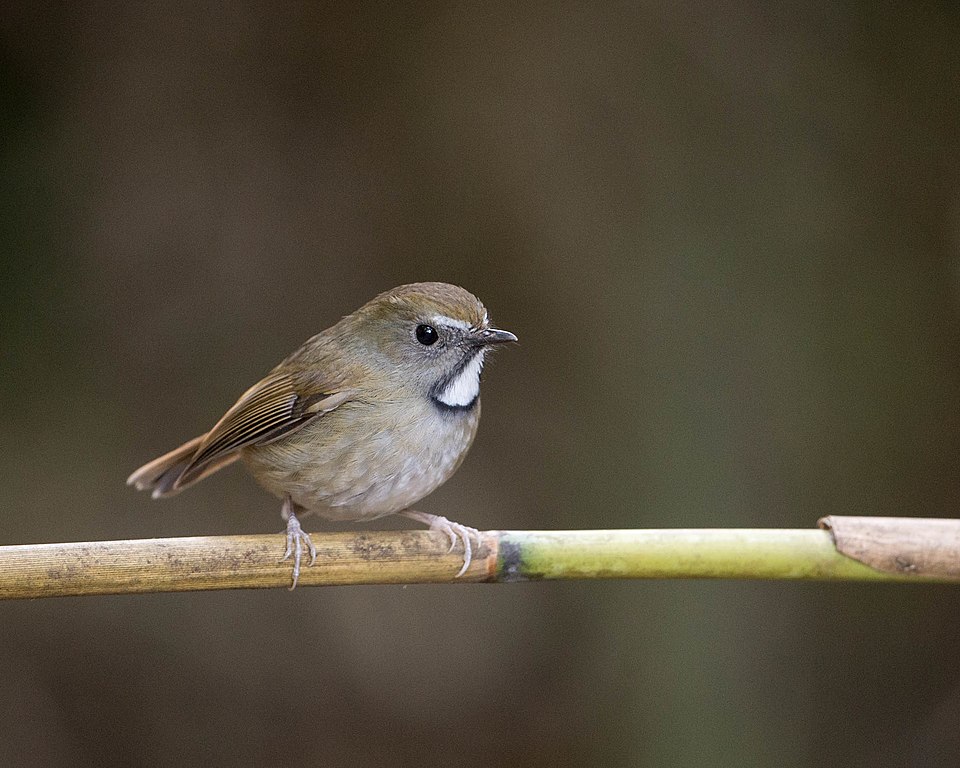
Adult White-tailed Flycatchers are easily recognized by their bright blue upperparts and a distinctive white tail that stands in contrast to their darker plumage. The males are particularly vibrant, with a deeper shade of blue and a brighter white tail as compared to the females, who are slightly duller with lighter blue tones. Juveniles differ in appearance, showing more muted colors and less pronounced white tails. They can be confused with other flycatchers in the region, such as the Blue Flycatcher, but the White-tailed Flycatcher's unique tail pattern aids in distinguishing them. In flight, the bird's silhouette is compact with a short, broad tail and rounded wings, typical of the flycatcher family. When perched, it displays an upright posture, often flicking its tail, which serves as a behavioral cue for identification.
Having trouble telling birds apart? Upload a photo to our bird identification tool for an instant species match.
White-tailed Flycatcher Habitat and Range
Preferred Habitat
The White-tailed Flycatcher inhabits montane and submontane forests, typically thriving at elevations ranging from 800 to 2,000 meters. These birds favor dense, humid forest canopies and are often found near streams or within fern-rich undergrowth. During the breeding season, they remain in higher elevation habitats but may descend to lower forested areas during the non-breeding season. They are not commonly found in urban environments, as their habitat preference leans heavily towards undisturbed forested regions.
Geographic Range
The White-tailed Flycatcher is native to Southeast Asia, with a range that includes the Malay Peninsula, Borneo, Sumatra, and parts of Thailand. Its distribution is largely confined to humid montane forests, where it breeds and resides year-round. Unlike many other passerines, this species does not undertake long-distance migrations but instead performs altitudinal movements within its range. The population density is highest in regions of primary forest with minimal human disturbance, such as the highlands of Borneo and the Cameron Highlands in Malaysia.
Want to know which birds visit your area? Browse our backyard birds by location guides for region-specific species lists.
What Does the White-tailed Flycatcher Eat?
The diet of the White-tailed Flycatcher primarily consists of insects and other small invertebrates. It forages by sallying from a perch to catch flying insects mid-air. This technique, known as flycatching, is characteristic of the species and is facilitated by the bird's agile flight and acute vision. During the breeding season, the diet becomes more diverse, including a higher proportion of spiders and small arthropods to meet the increased nutritional demands of raising young. The bird primarily feeds during daylight hours, with peak activity observed in the early morning and late afternoon.
White-tailed Flycatcher Behavior and Social Structure
White-tailed Flycatchers are generally solitary or found in pairs, especially during the breeding season. They exhibit strong territorial behavior, with males often engaging in vocal displays and aerial chases to ward off intruders. Courtship involves elaborate displays, where the male showcases its bright plumage and distinctive tail to attract a mate. Outside the breeding season, these birds may join mixed-species foraging flocks, which enhances their foraging efficiency and reduces predation risk. The White-tailed Flycatcher's daily activities include periods of feeding interspersed with rest and preening.
White-tailed Flycatcher Nesting and Reproduction
The nesting habits of the White-tailed Flycatcher involve constructing a cup-shaped nest, often situated in a fork of a tree or within a bush. The nests are crafted from moss, leaves, and fine root fibers, camouflaged to blend into their surroundings. The typical clutch size ranges from two to four eggs, which are incubated by the female for about two weeks. Both parents partake in feeding the nestlings, which fledge approximately two weeks after hatching. The species typically raises one brood per year, although in favorable conditions, a second brood may be attempted.
White-tailed Flycatcher Sounds and Vocalizations
The White-tailed Flycatcher's song is a series of melodious whistles and trills, often delivered from an exposed perch. The song is characterized by a clear, high-pitched sequence that varies in rhythm and pitch, serving as both a territorial signal and a mate attraction call. Their call notes are softer, often consisting of short, sharp chips used for communication between mates or to signal alarm. During the dawn chorus, their song is most prominent, contributing to the vibrant soundscape of the forest.
Interesting Facts About the White-tailed Flycatcher
- 1The White-tailed Flycatcher can catch and consume over 100 insects per day, playing a crucial role in pest control.
- 2This species is known for its unique tail flicking behavior, which is thought to be a signal to potential mates or a deterrent to predators.
- 3Despite their striking appearance, White-tailed Flycatchers are notoriously difficult to spot in the dense forest canopy.
- 4They participate in mixed-species foraging flocks, which include different bird species that benefit from enhanced foraging success.
- 5The White-tailed Flycatcher's altitudinal migration is a response to seasonal changes in food availability and climate within its habitat.
- 6Their nests are often camouflaged so effectively with moss and leaves that they are nearly invisible to predators and humans.
- 7The White-tailed Flycatcher contributes to forest health not only by controlling insect populations but also by dispersing seeds through its diet.
White-tailed Flycatcher Conservation Status
Currently, the White-tailed Flycatcher is classified as Least Concern by the IUCN. However, its population trend is decreasing due to habitat loss from logging and agricultural expansion. Conservation efforts focus on protecting montane forest habitats and establishing reserves to safeguard critical breeding areas. Historical data indicate that the species was once more widespread, but deforestation has led to a contraction of its range. Continued monitoring and habitat conservation are essential to ensure the species' long-term survival.
Other Muscicapidae Species


Birds Similar to the White-tailed Flycatcher
These species are often confused with the White-tailed Flycatcher due to similar appearance or overlapping range.
